
Sports puzzles are not just time-fillers; they are practical tools that bridge the gap between physical energy and mental focus. By using themes like basketball, soccer, or tennis, you can trick the brain into enjoying a logic challenge.
If you need puzzles for kids for a road trip or to help them relax after practice, this method really works. In this guide, I will walk you through the types of sports puzzles, why they work, and how to use them without spending a fortune.
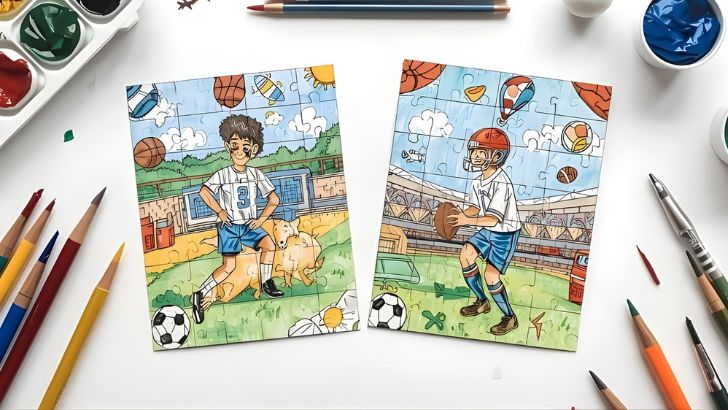
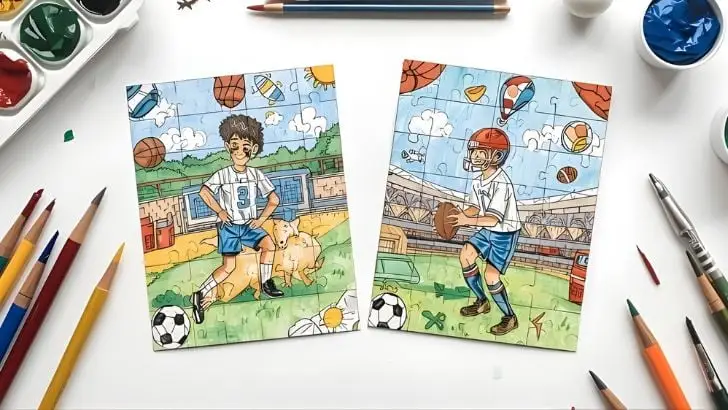
1. Explore the World of Sports!
It is a good idea to know the subjects before you begin to print sports puzzles. You don’t need to be an ESPN analyst. However, knowing the basics will help you choose the right activities.
A golf puzzle book handed to a child who only follows soccer will not get used. It is important to match the sport with the kid.
As you know, the most famous sport in the world is soccer. Puzzles in this case may involve the movement of balls or the team’s flags.
Basketball is fast-paced. Math puzzles with 2-pointers and 3-pointers or athlete quizzes of famous players are effective here. Baseball is a statistical game; it is ideal in sporting trivia and number logic.
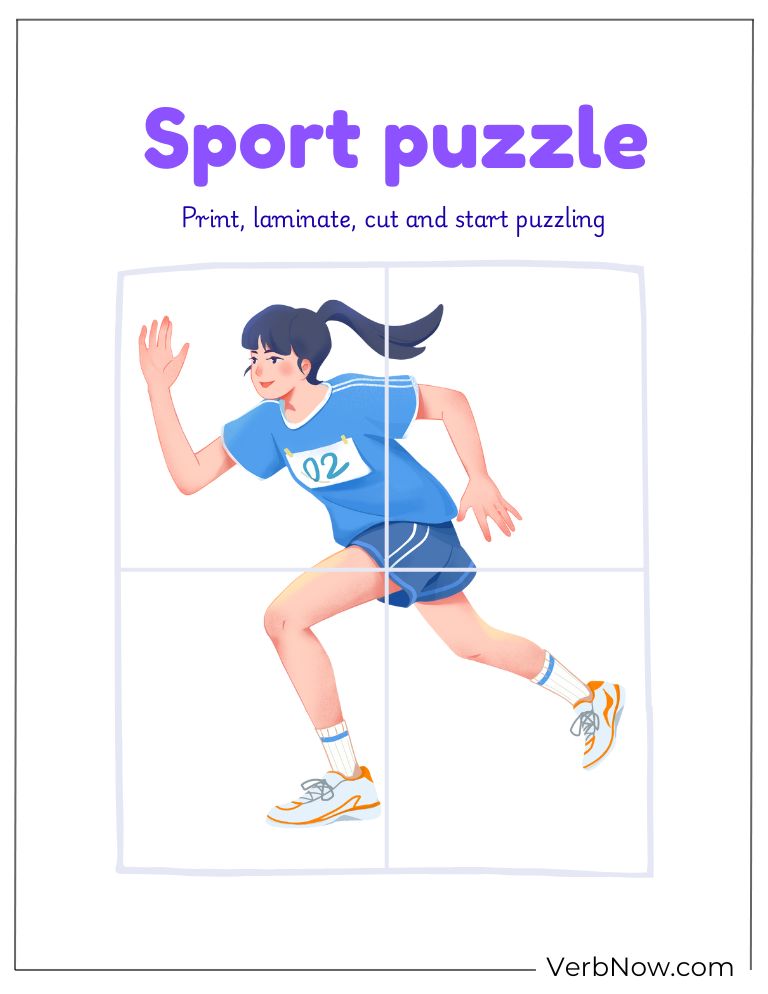
Running and tennis are good in the maze-style puzzles that require you to follow a given line or path.
Sports puzzles can also educate kids about the sportsmen and not only the games. You can see examples of values in learning about the hard work of a runner or the performance of a volleyball team.
You can use athletic riddles to hide fun facts about these games. It makes children realize that sports are not that about running fast; it is about smart thinking. This is what makes sports games a good investment of time due to this linkage between the body and the brain.
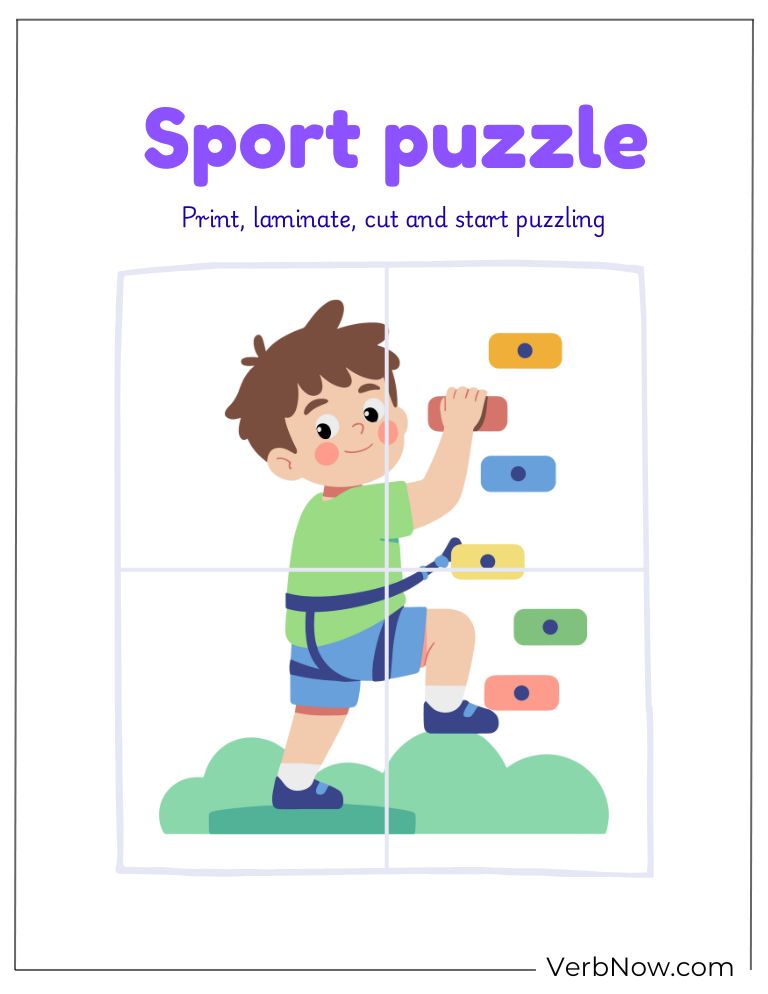
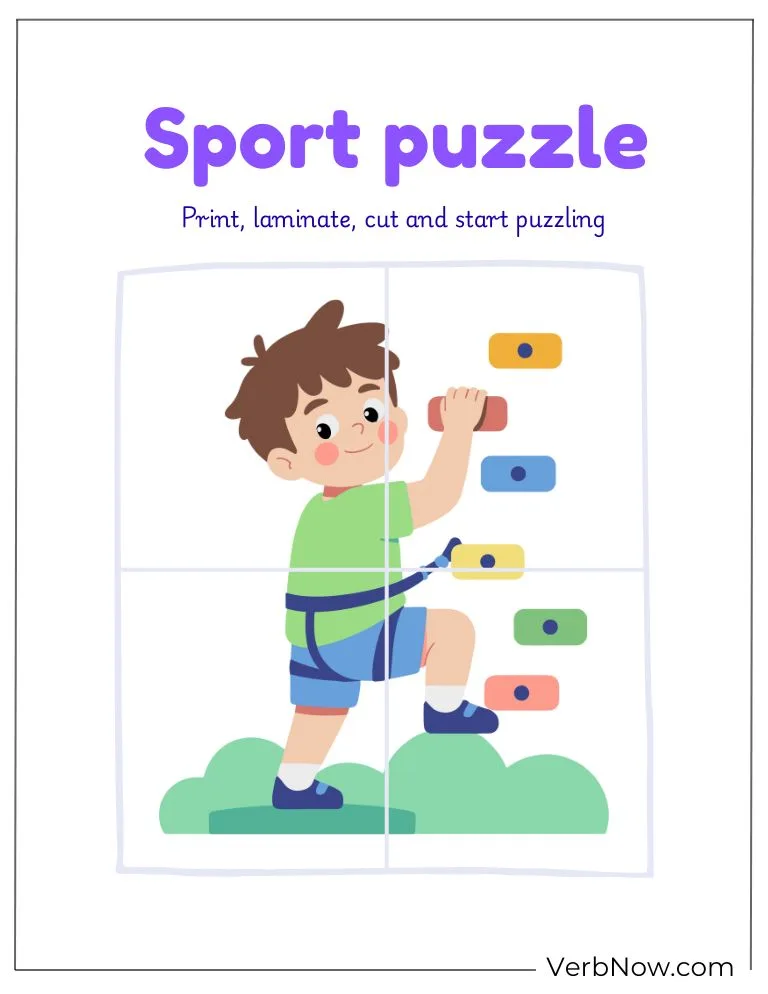
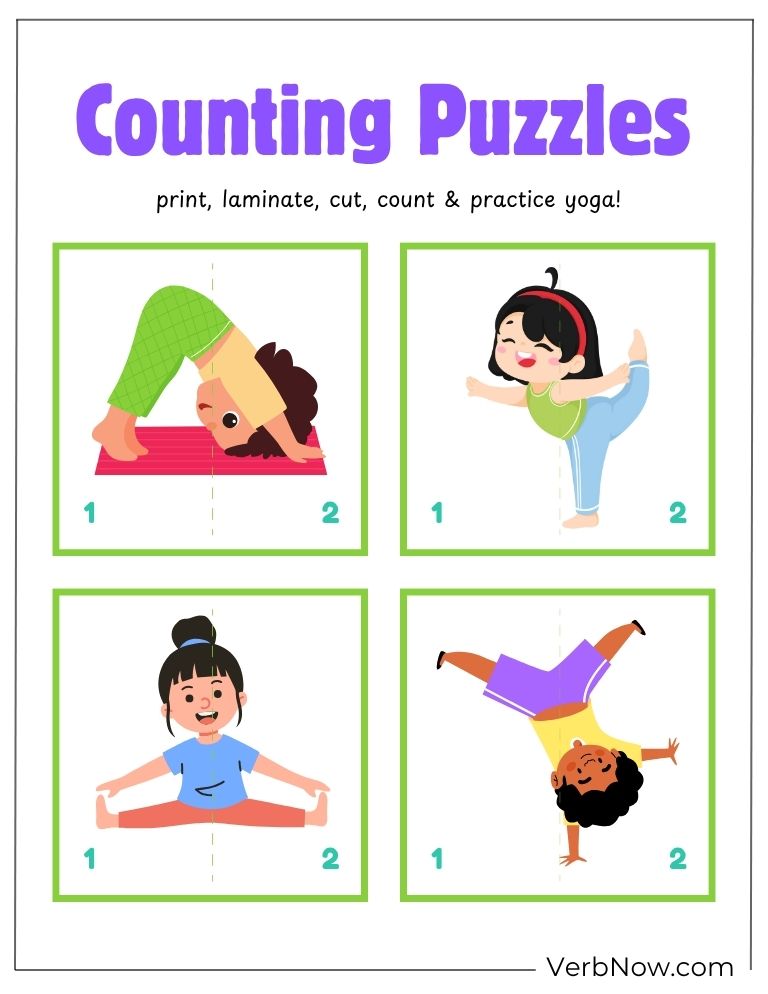
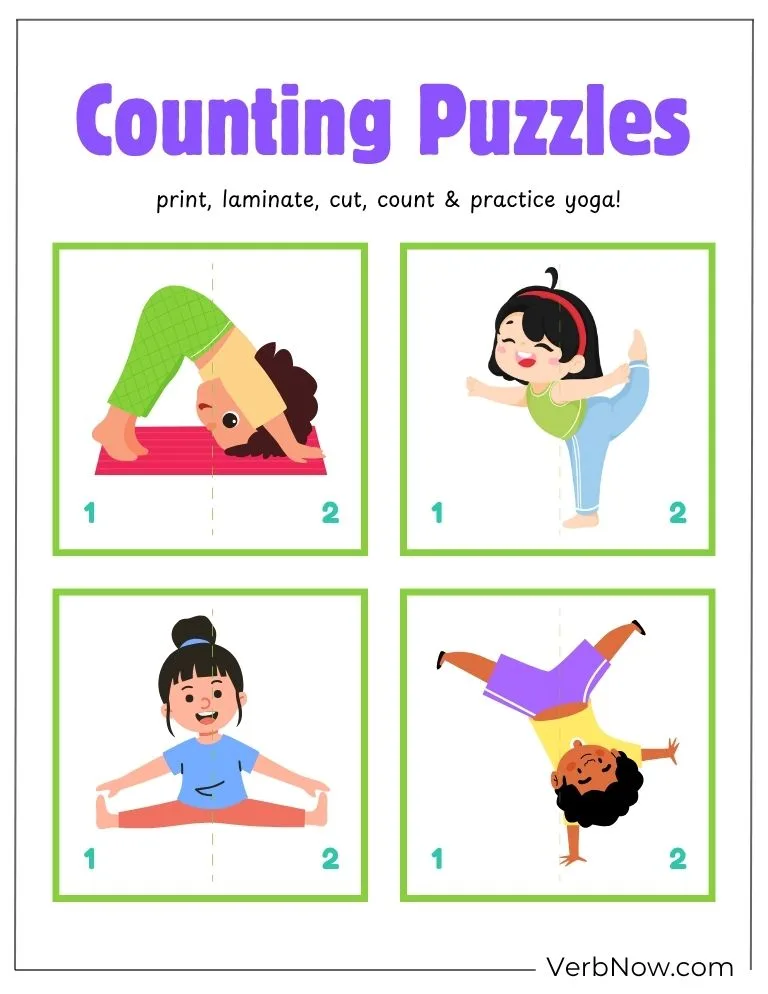
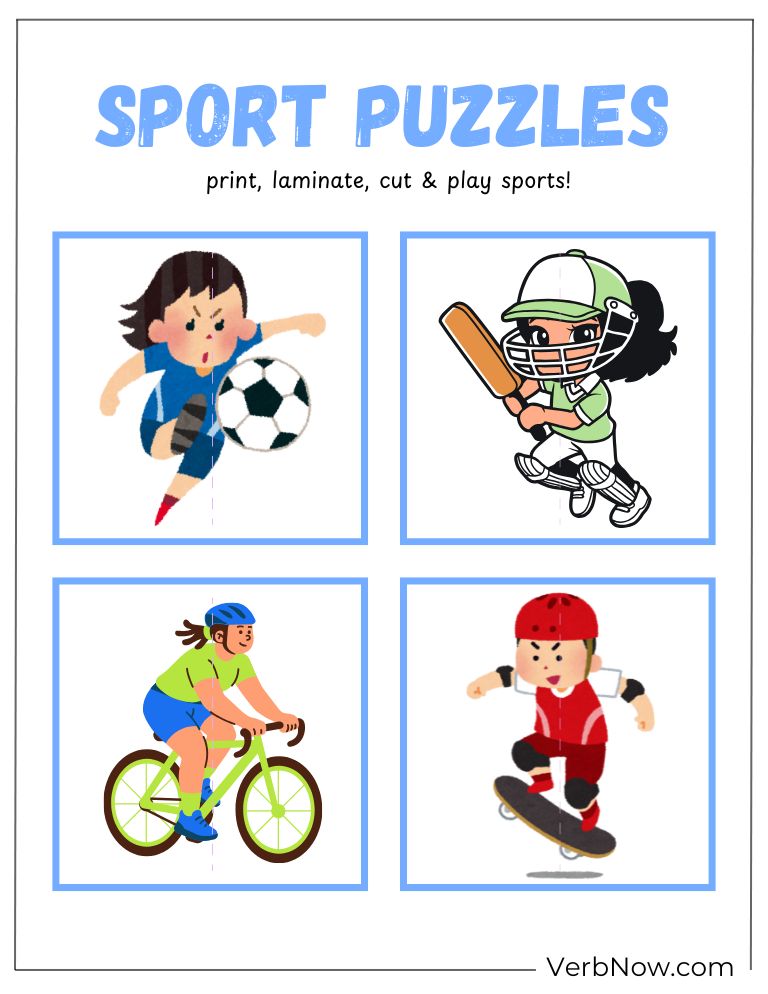
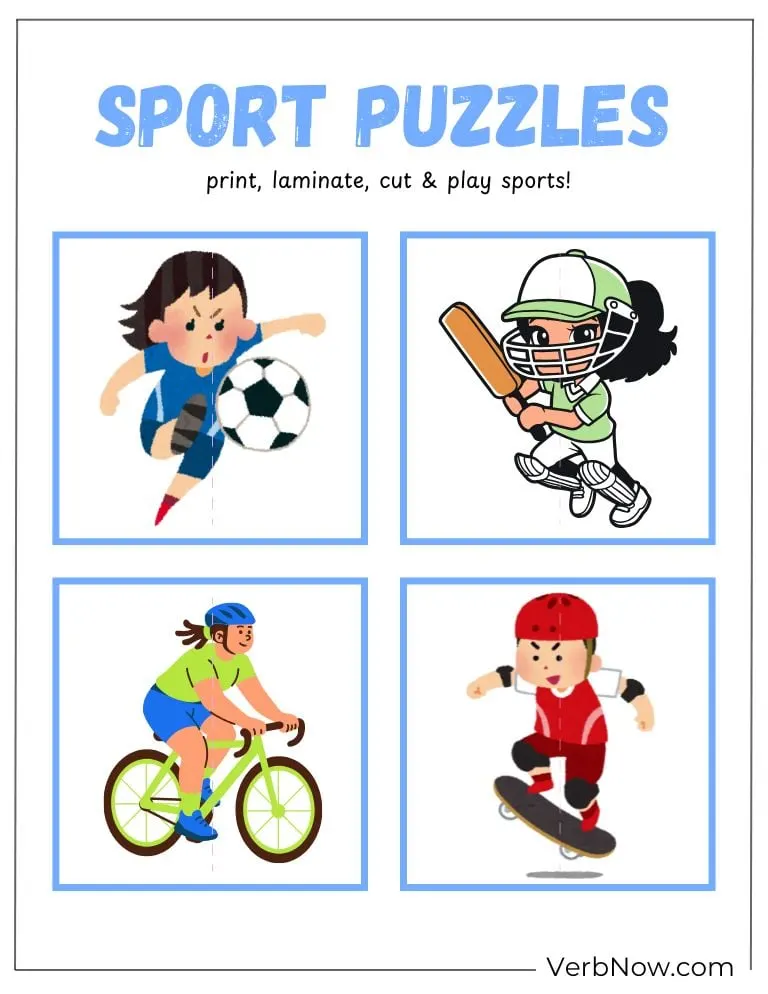

2. Types of Sports Puzzles Kids Can Enjoy
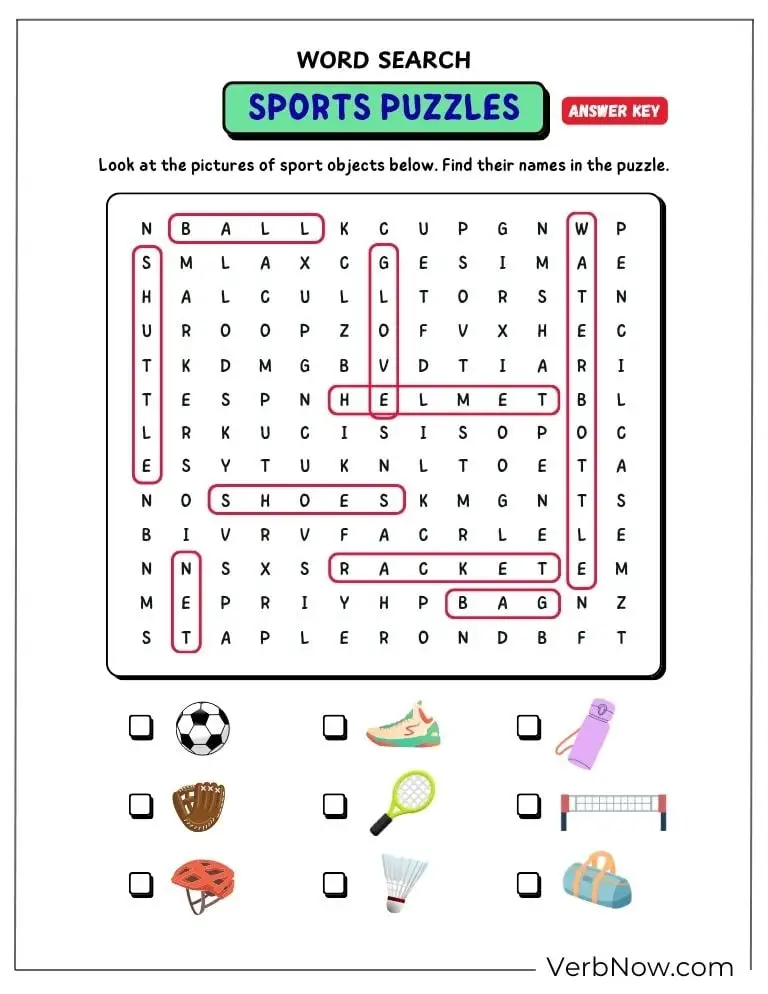
Sports Word Search Puzzles
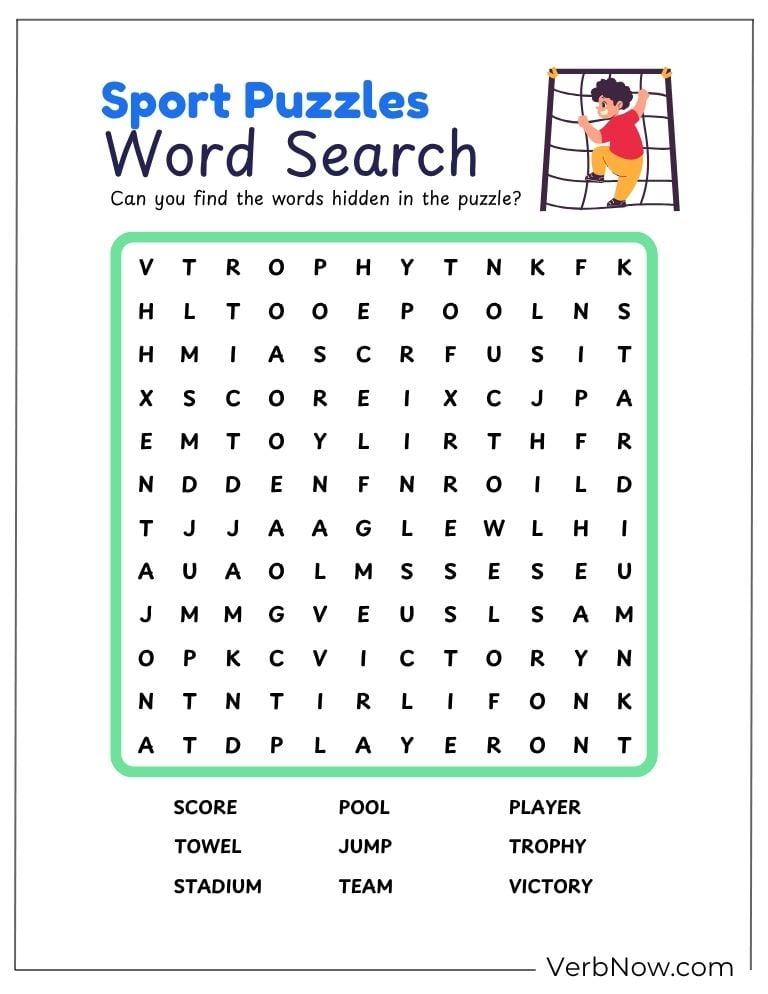
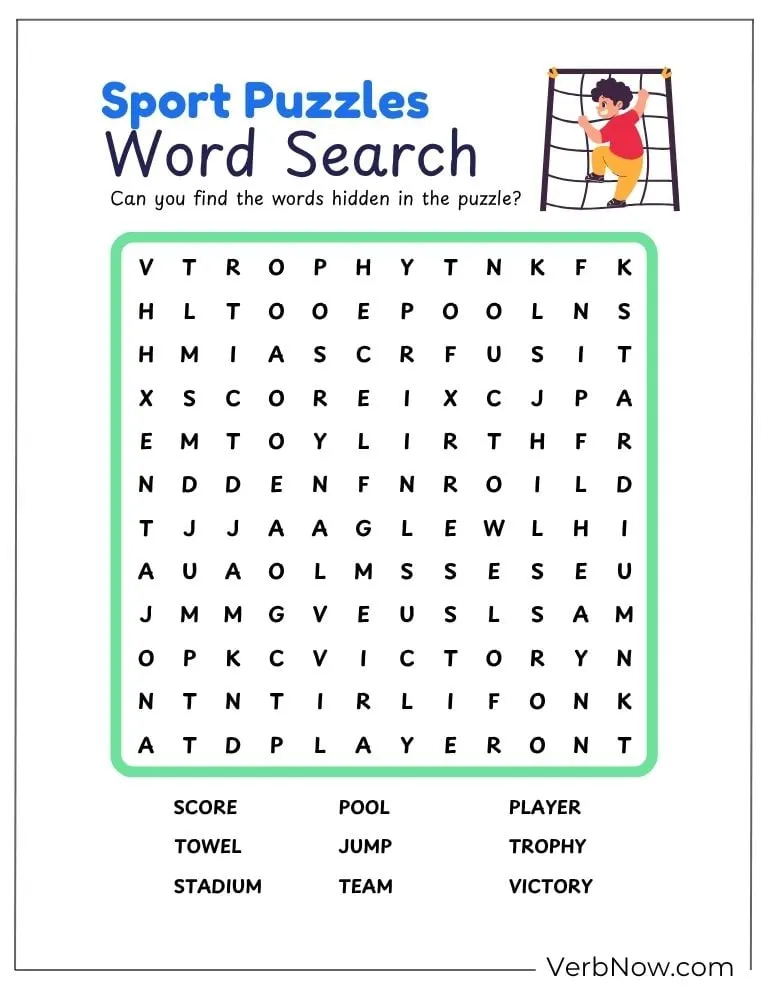
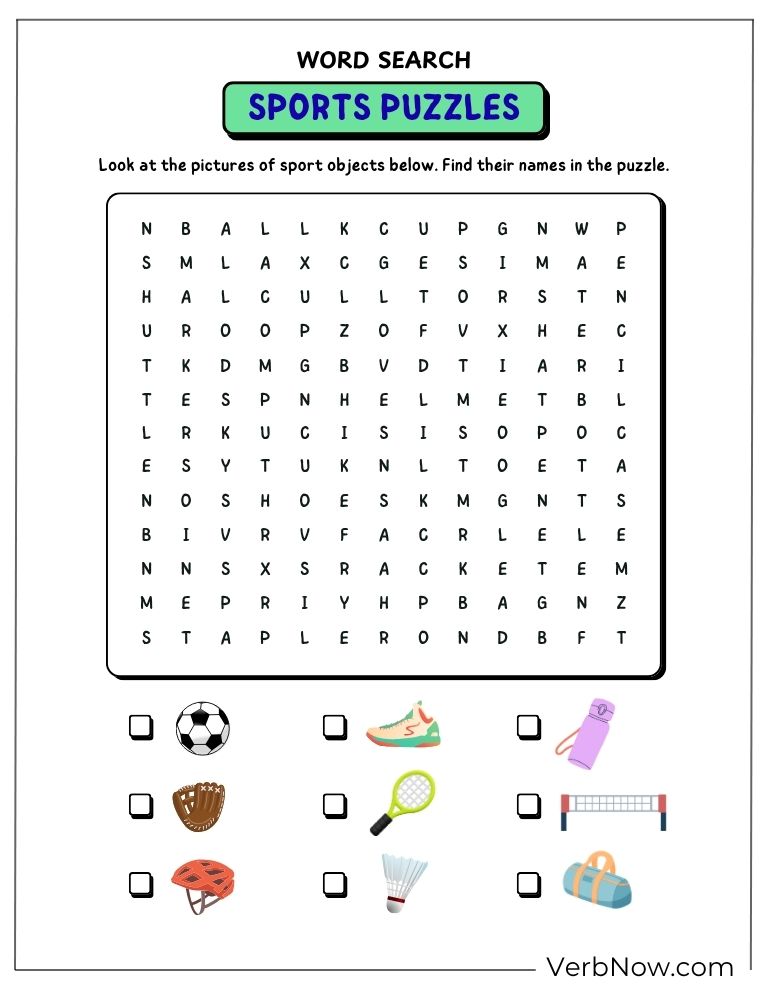
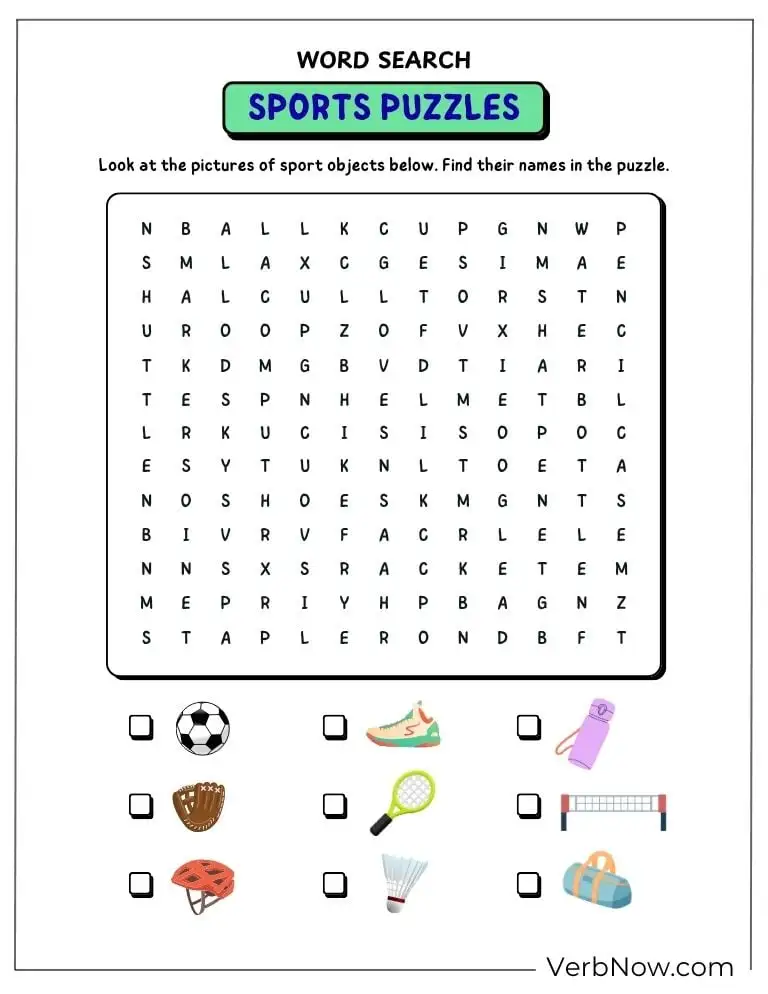
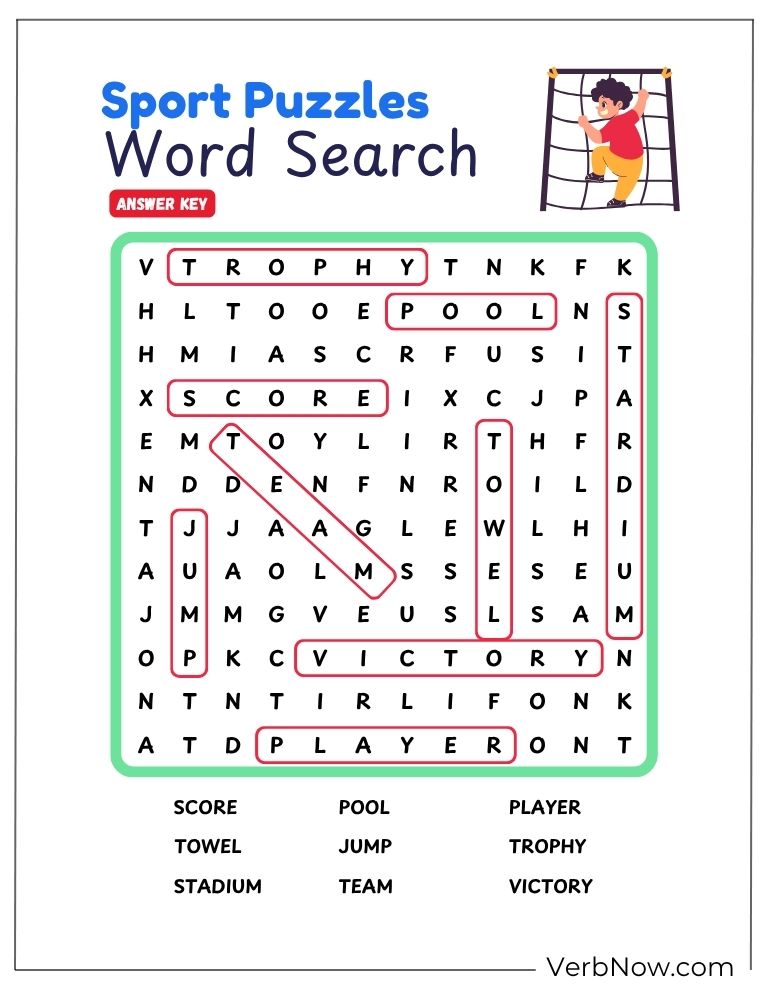
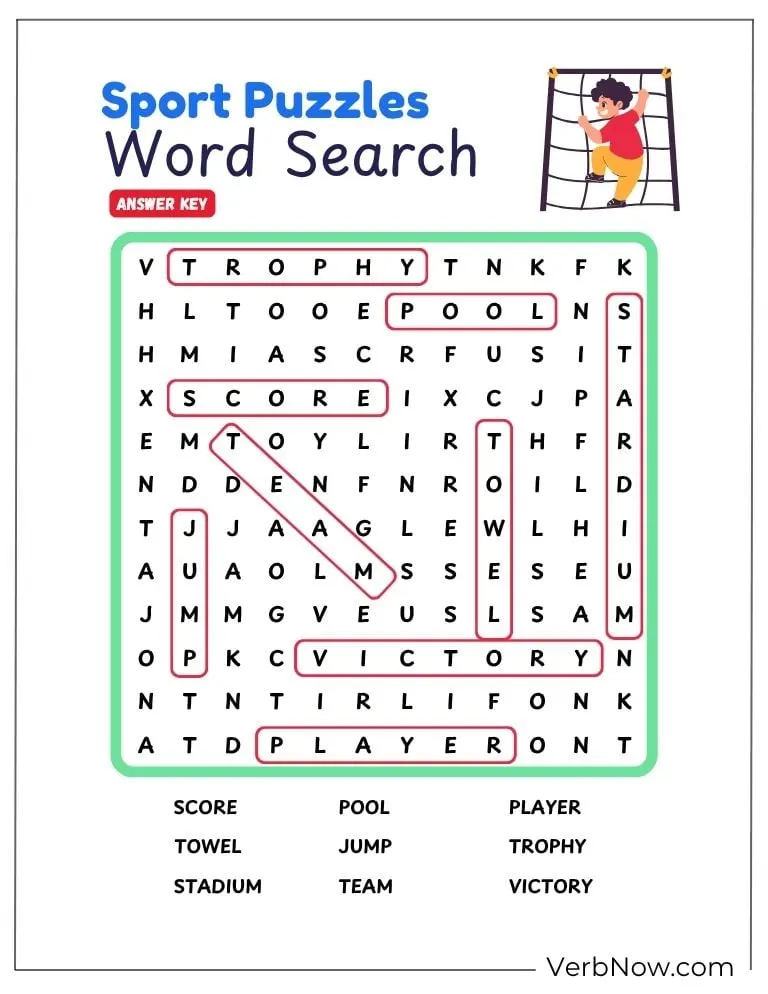
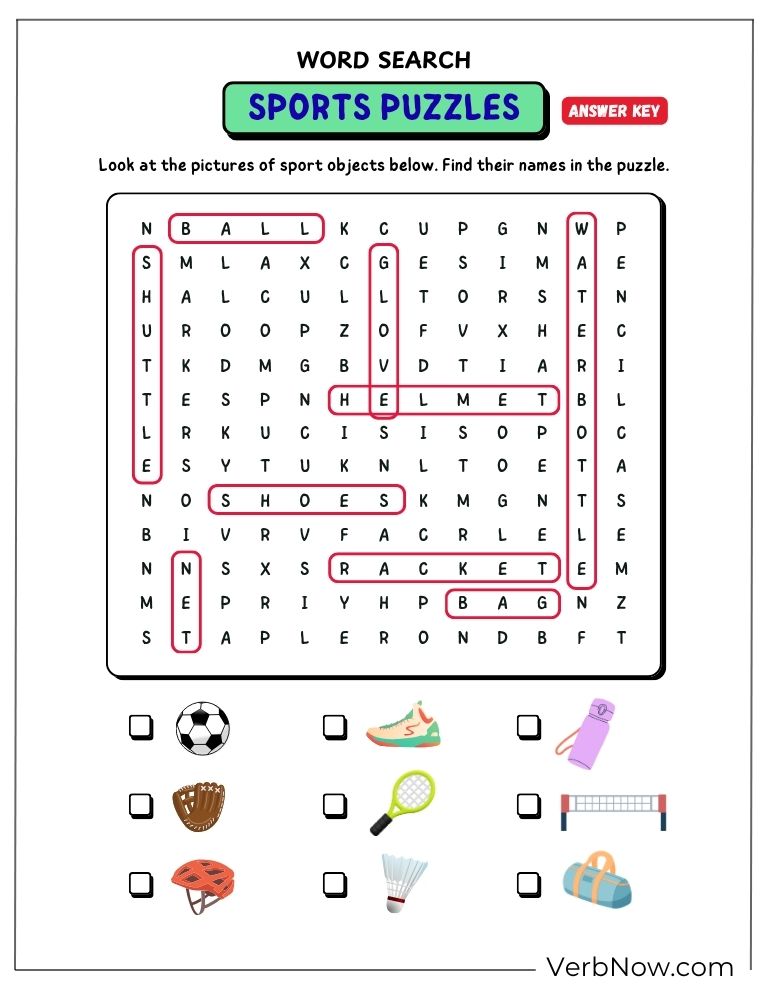
This is normally the right place to begin. Word search sports puzzles, as the name implies, are puzzles consisting of grids of letters concealing sports vocabulary. This doubles as spelling practice.
You may have such themes as Football Words, basketball teams or Olympic Sports. The useful side effect is pattern recognition and the development of vocabulary. They will not memorize a list of a boring list of words, but will be seeking words such as Goalie, Referee or Touchdown.
I will suggest beginning with less complex grids. I once made the error of issuing my 7 year old a huge grid of 20×20 and he threw his hands up in five minutes. Only use smaller sports puzzles to gain confidence.
Sports Maze Puzzles
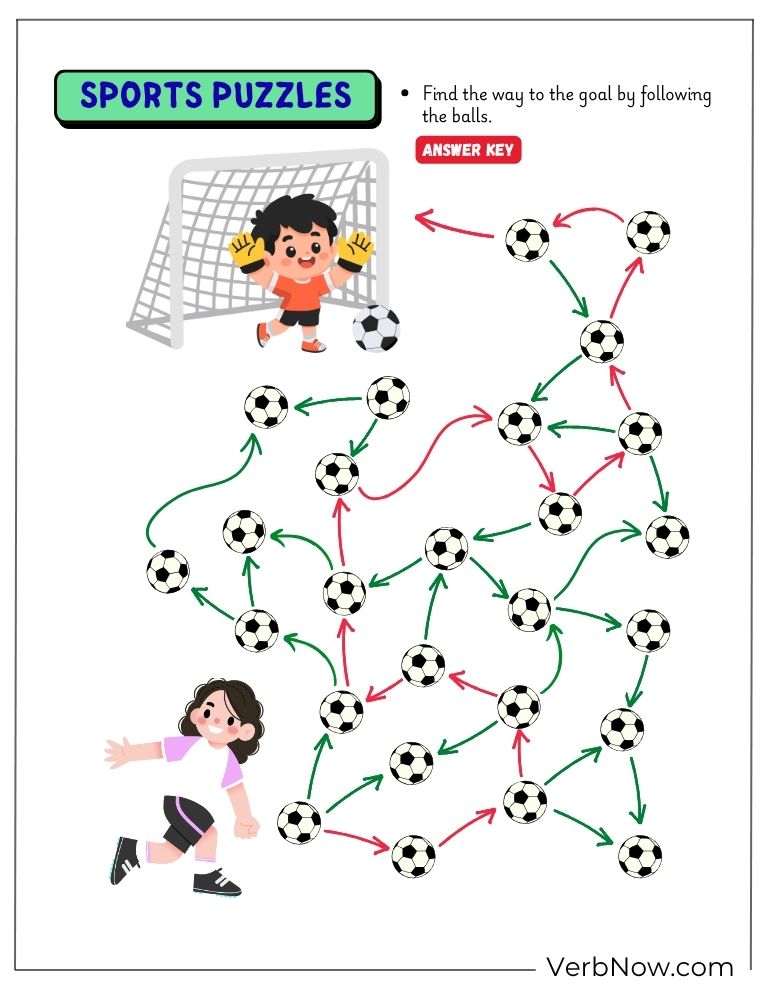
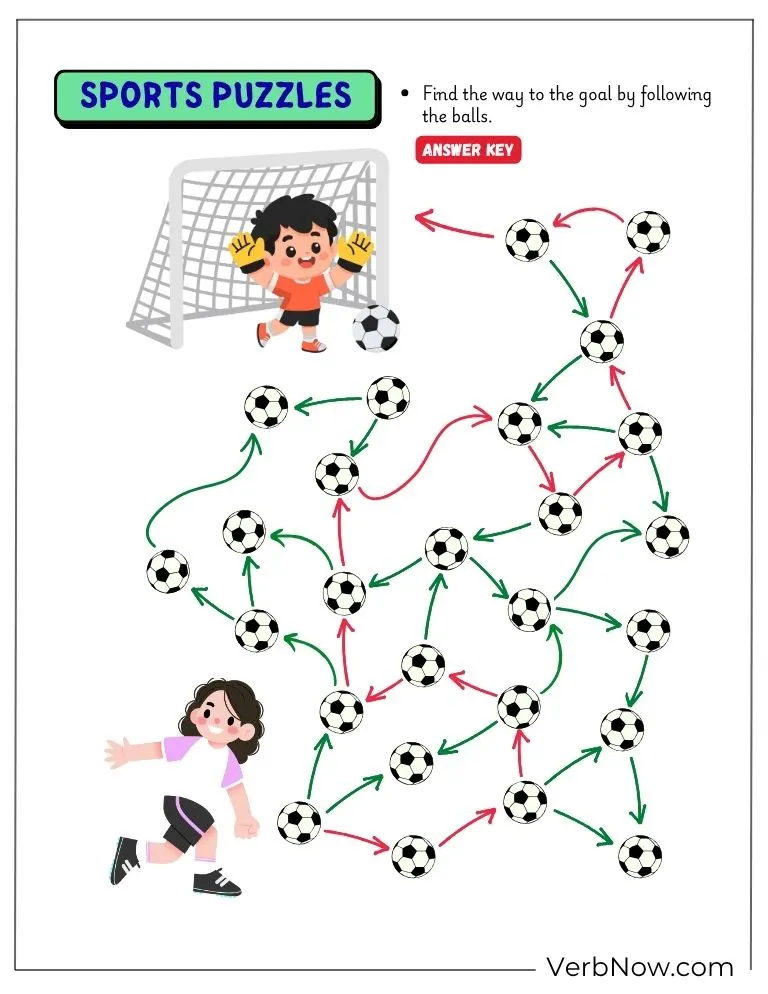
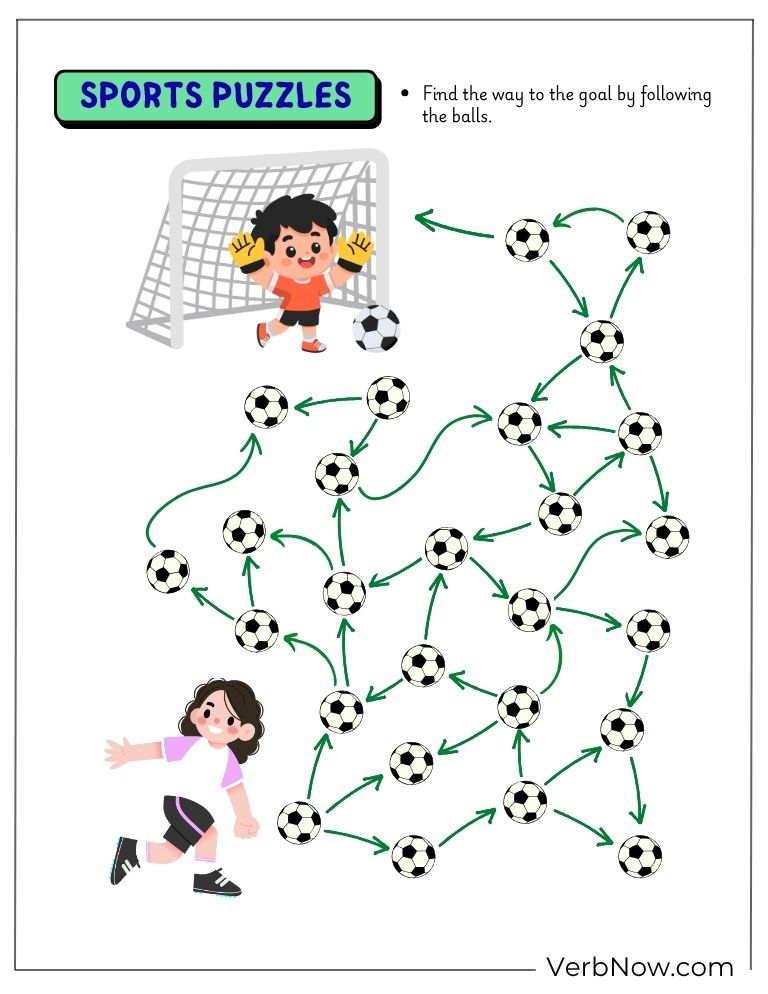
Maze sports puzzles are also good in case your child has a problem with fine motor skills or handwriting. They tend to be very simple, such as passing the ball to the striker so you can get to the goal or moving the runner through the track.
Mazes are usually assumed to be for toddlers only. However, complicated mazes can be fun challenges for older kids too. They also have to see into the future and plan their path before they draw a line. You use the same skill to plan a play in an actual game.
To be practical: place the sheet of the maze in a sheet protector made of plastic. Allow them to have a dry-erase pen. In doing so, in case a blind alley stops them, they can do away with the result and restart without getting irritated.
Matching Sports Puzzles
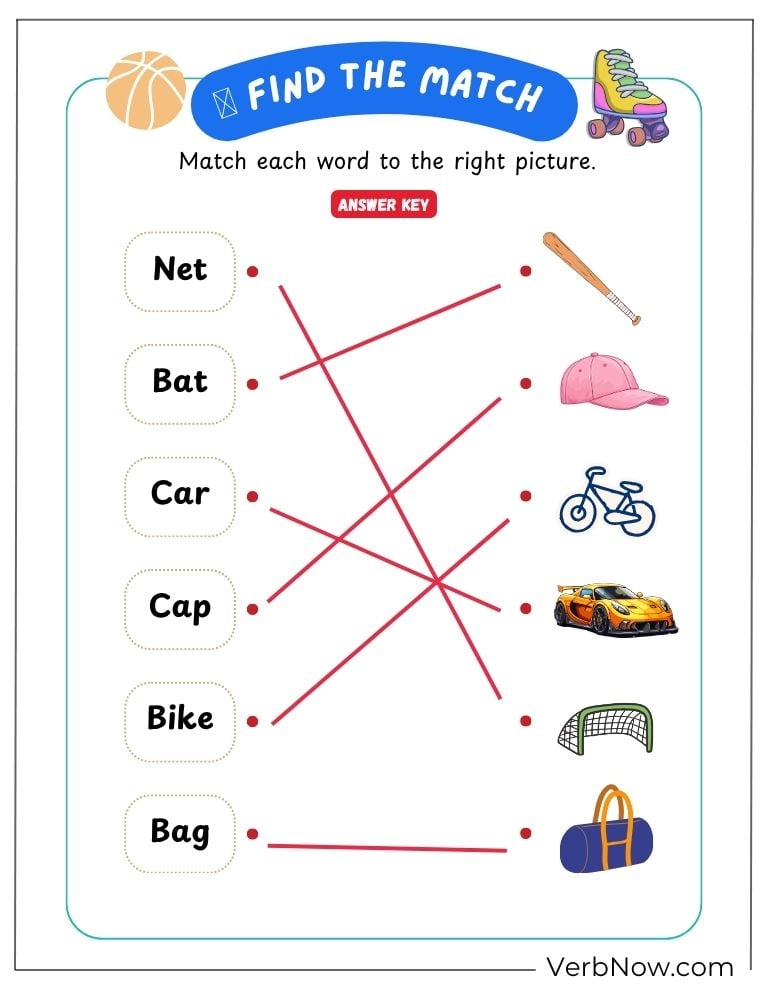
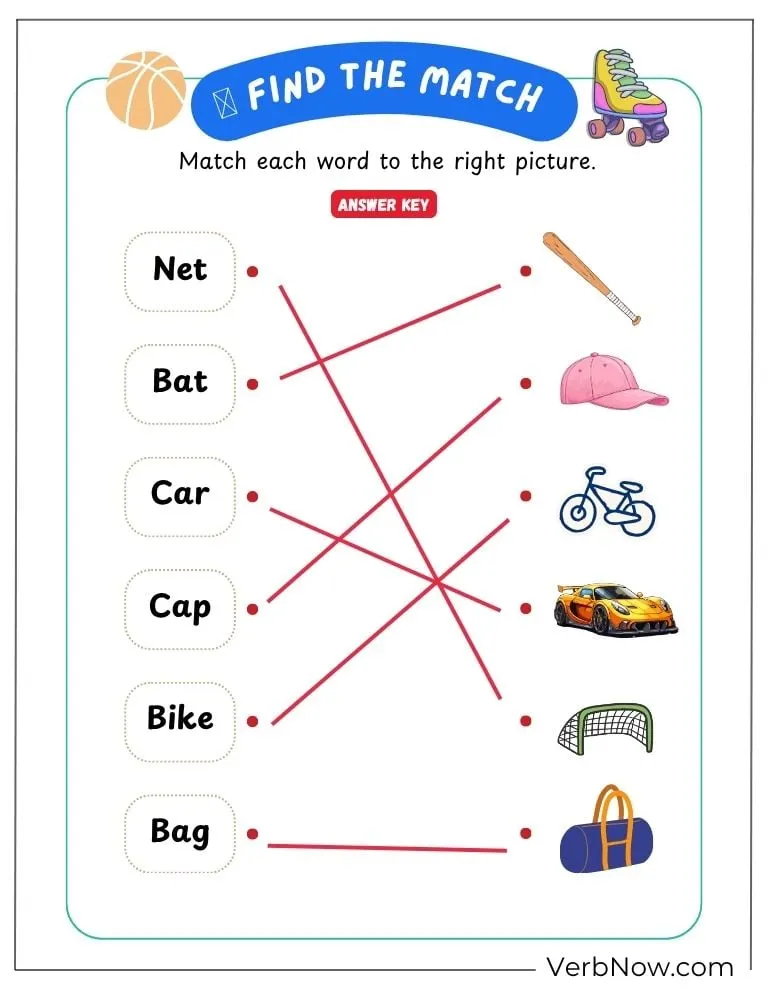
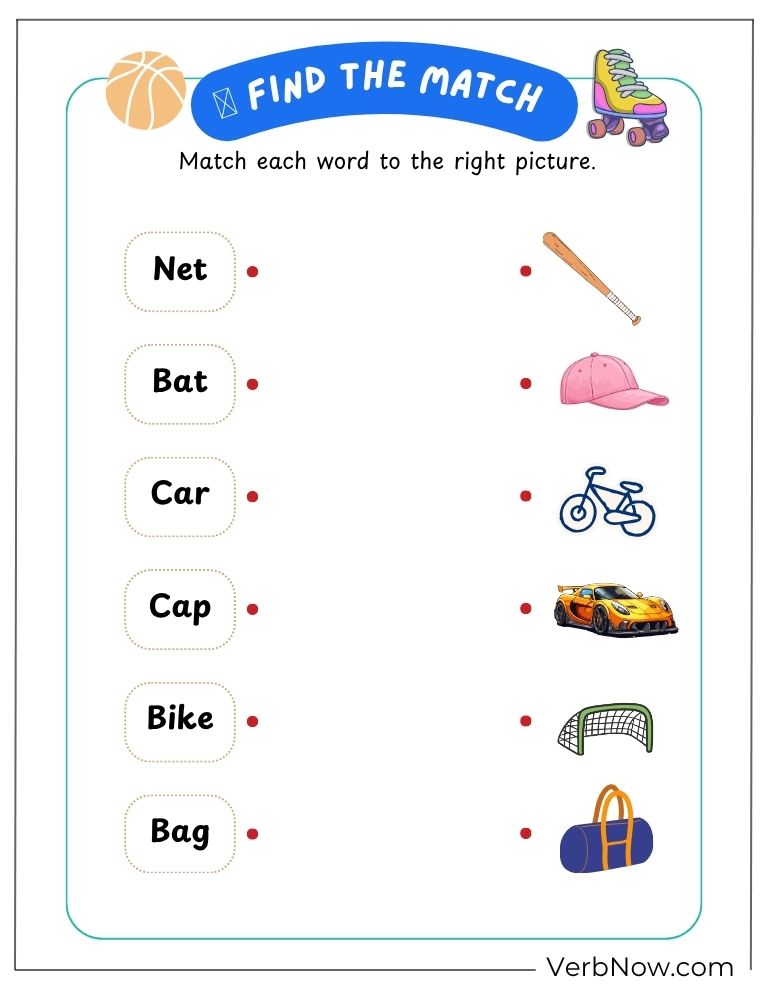
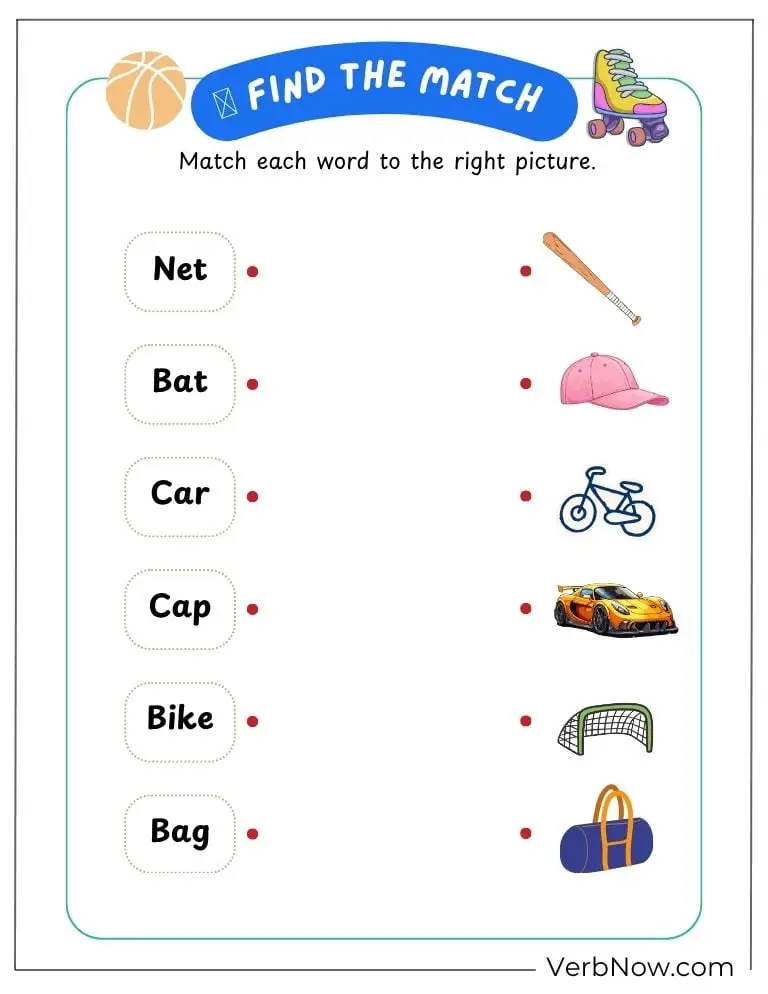
Match sports puzzles are excellent for preparing the younger kids or those children who are learning about various games. The work usually connects an object to its sport. For example, a bat goes with a baseball player, and a helmet goes with a football player.
There are also team puzzles; you receive a team logo and a city to match. This serves as an introduction of a geography lesson. They work as a quick check of what a child already knows. It is a non-stressing activity of trying to use their memory.
To make it more challenging, you may pair athletes with their uniforms or statistics. This involves paying attention to details, and this is a skill that also benefits in any subject in school.
Sports Trivia & Brain Teasers
To the child with an attitude that he or she knows it all, sports trivia is the challenge. These are riddles or questions that challenge their level of knowledge.
Athletic jokes may be, “I have stitches, yet there is no cut, and a bat strikes me.” :What am I? (A baseball).
Sports brain teasers may be clues problems, like who won a race, based on a series of clues.
Score puzzles practice well at math. You can give them a situation like this: The Bulls made 3 three-pointers and 5 two-pointers. What is their total score?
This is the best quiz and puzzle game to play in a car. We do not look at a tablet screen. Instead, we move around and ask questions like riddles or trivia games at the stadium. It makes their heads busy and the time goes by.
Picture Puzzles on Sport
These are visual challenges. The puzzles of sport events may be in the form of a “Spot the Difference” image of a congested stadium. The child will discover the differences between two pictures.
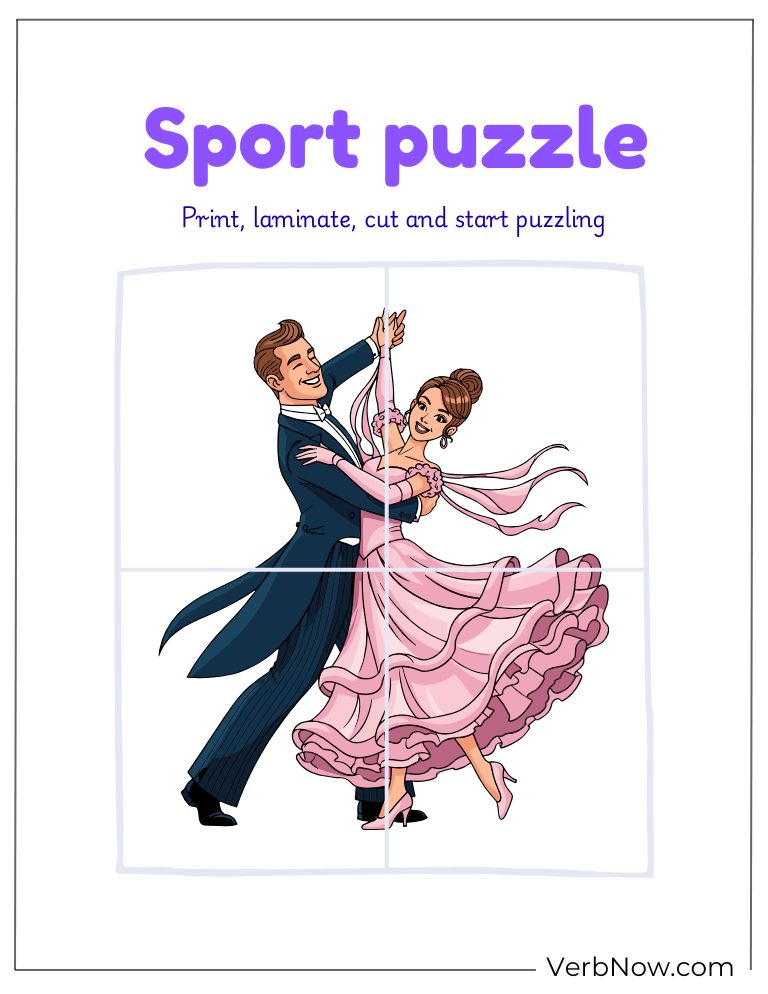
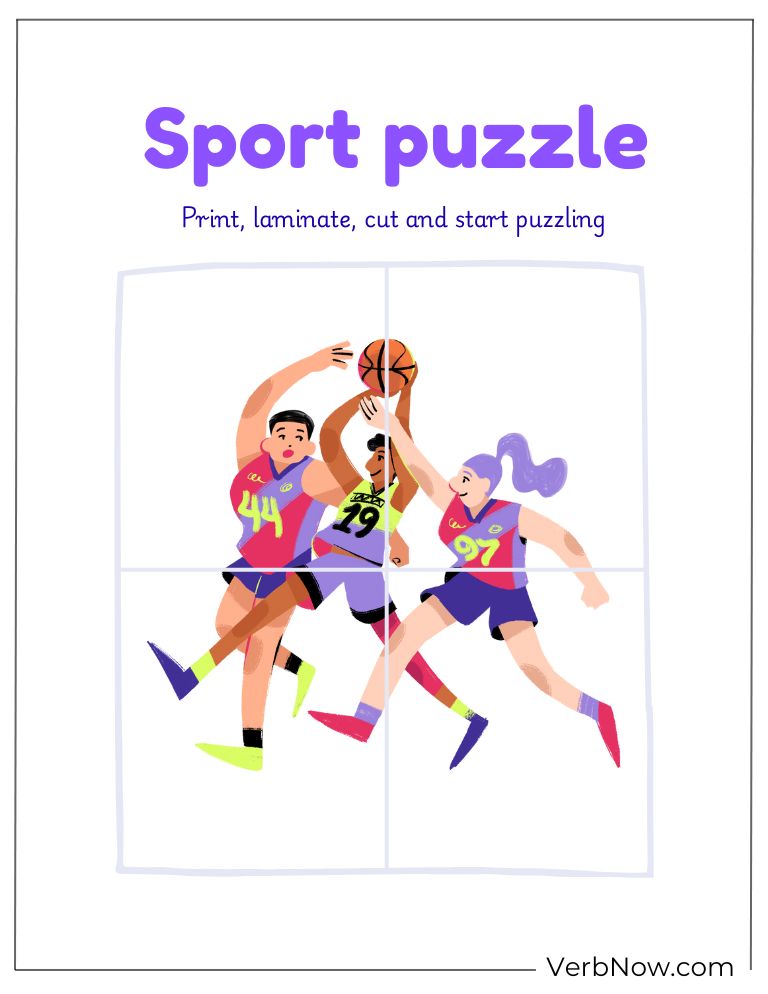
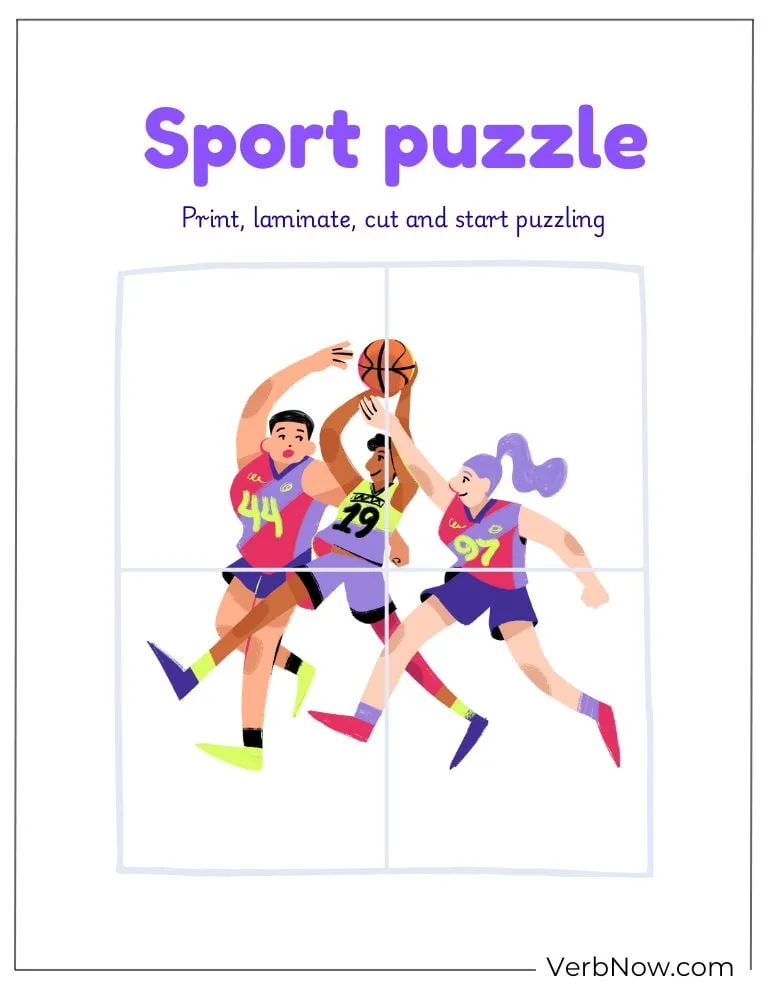
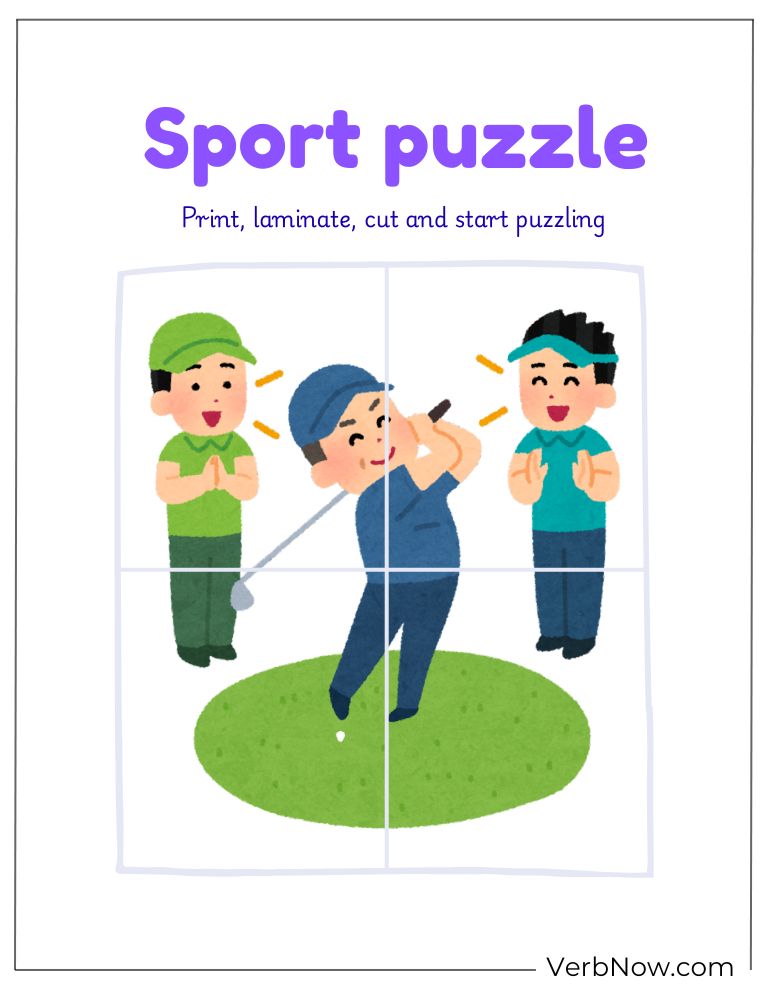
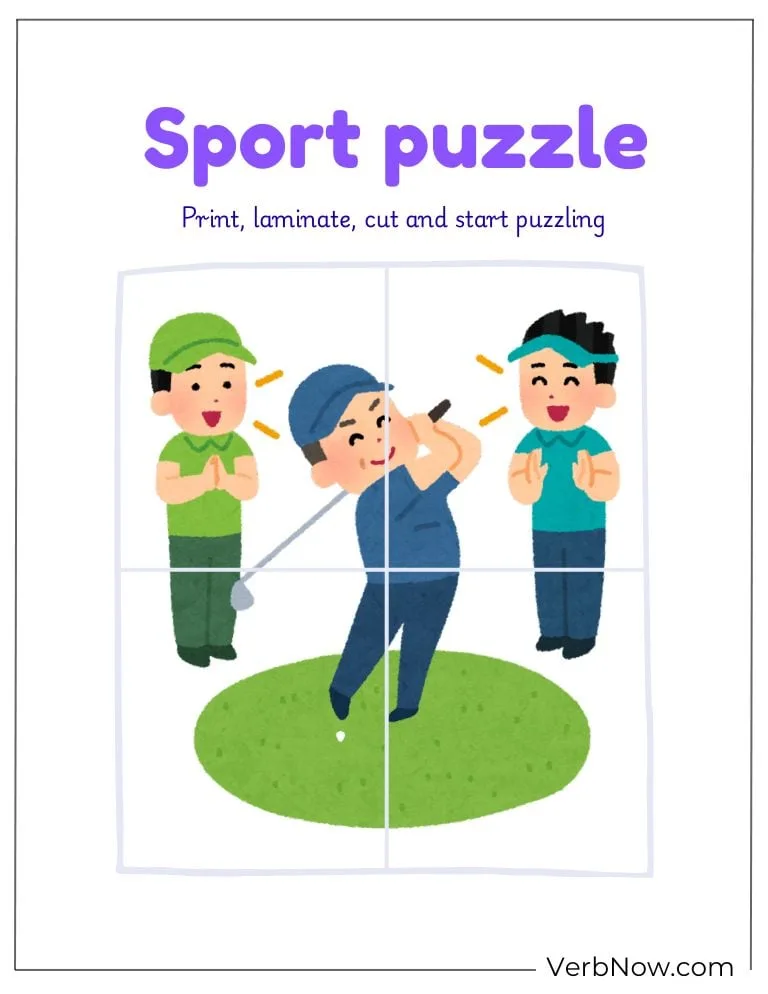
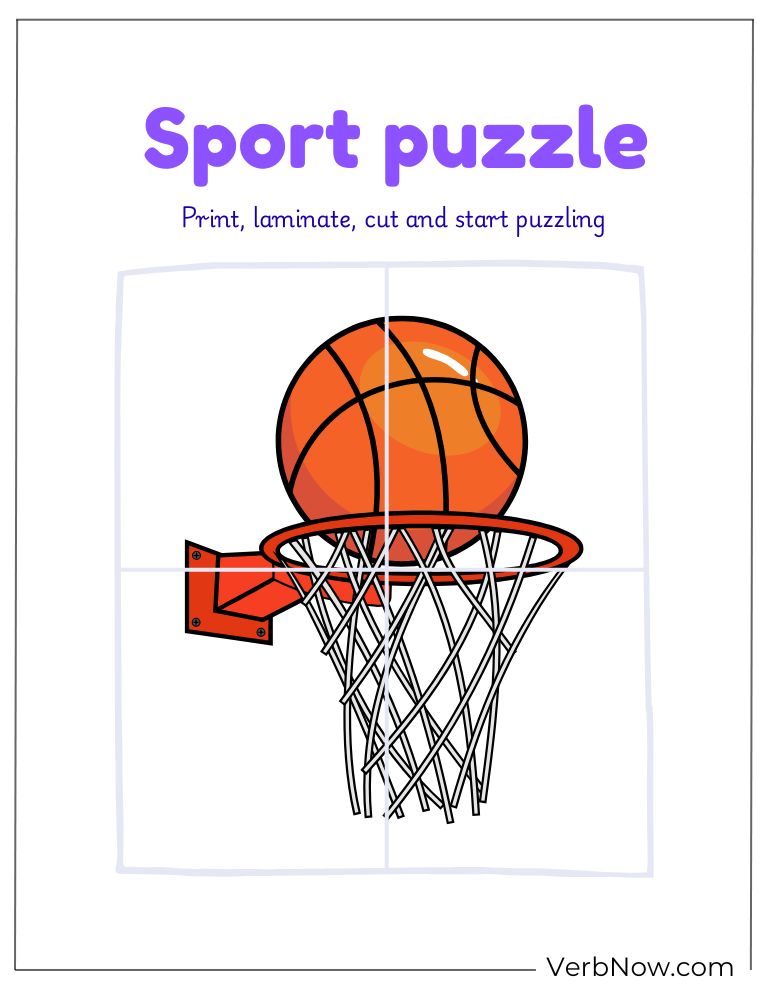
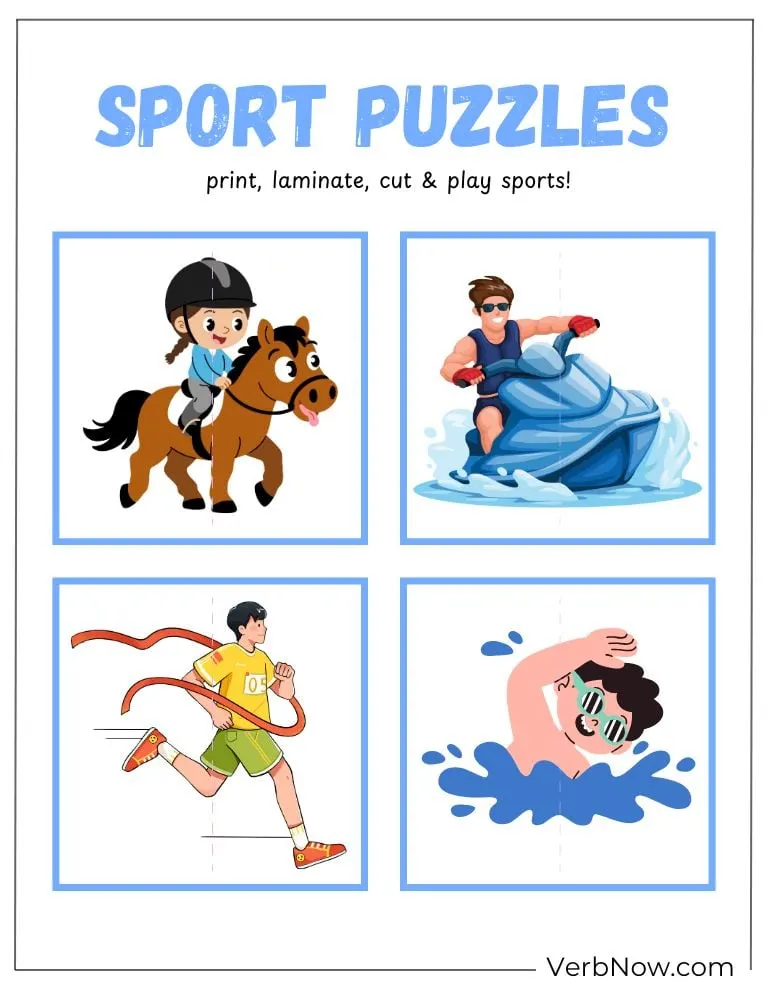
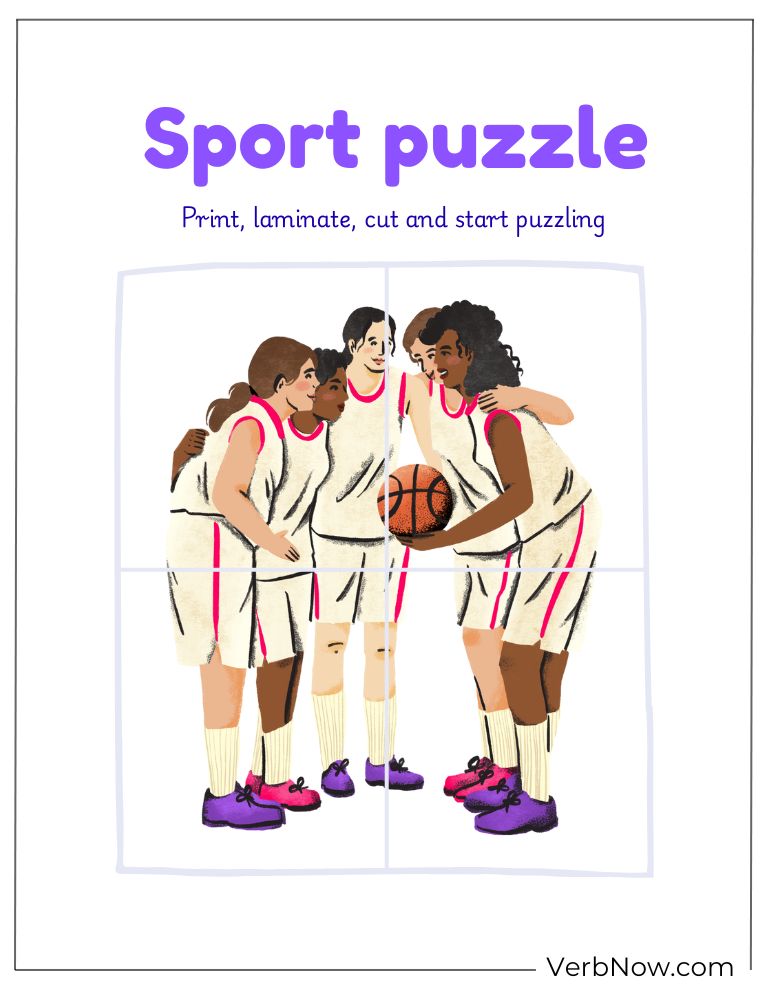
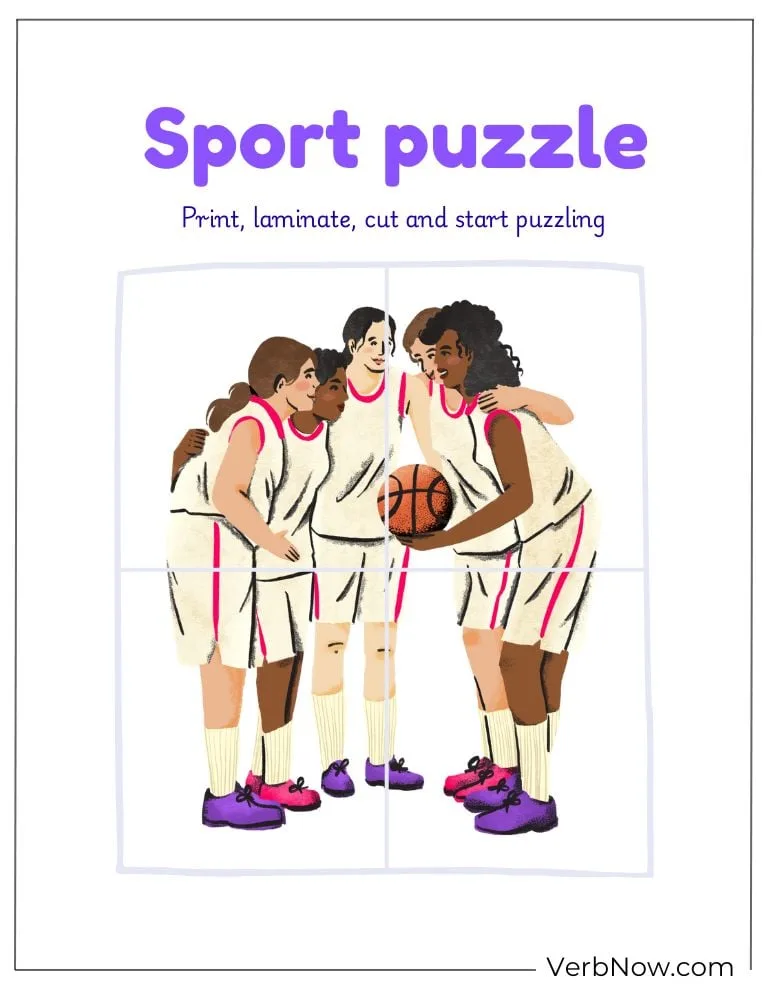
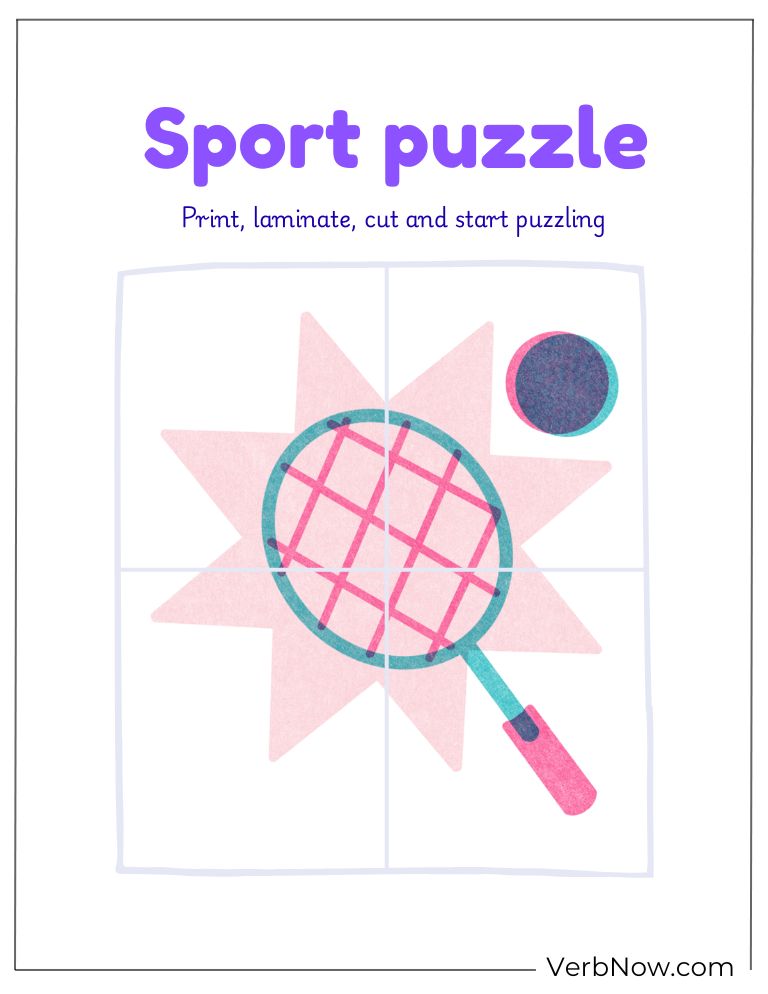
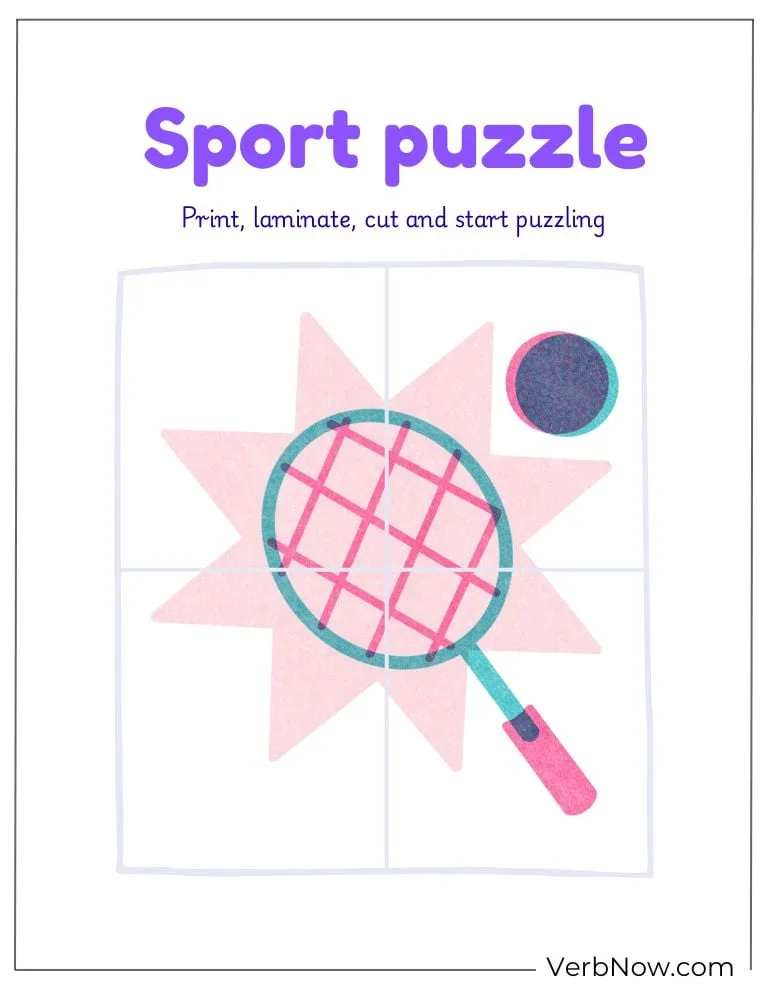
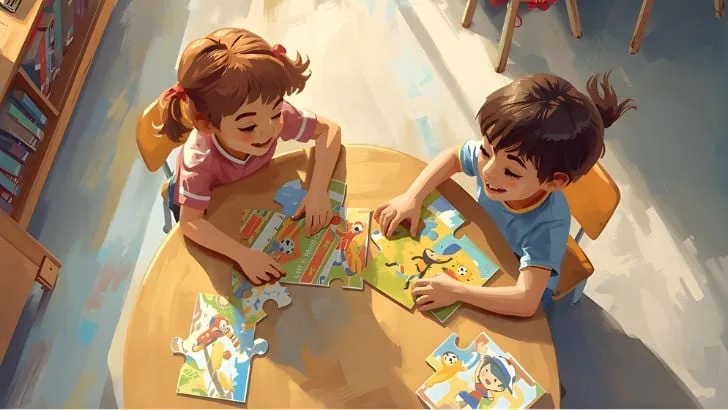
The other tradition is jigsaw puzzles. Working on a puzzle of 100 pieces of a stadium or a team picture teaches patience. I have discovered that sports puzzles such as jigsaws are best to relax a hyperactive child who has just been playing a sport. It makes them get their feet off the accelerator and look at the big picture.
3. DIY Sports Puzzle Ideas
I am not a crafty person, I do not own a glue gun, and I don’t like glitter. However, I have found that making your own puzzles is surprisingly easy and cheap. You do not need to buy expensive activity books. Here are some practical ideas I have used.
Create your own sports maze
Grab a piece of graph paper. Draw a “Start” (like a locker room) and a “Finish” (like a trophy). Then, shade in squares to make walls.
Children often get more out of making these maze puzzles for each other than out of solving bought ones. It turns them into designers.
Design sports trading cards (Matching Game)
Take some index cards and cut them in half. Have your child draw sports equipment on one card and the name of the sport on another. Or, draw a player on one and their team ball on the other.
Once you have 10 pairs, mix them up and lay them face down. You now have a homemade set of match sports puzzles. It costs pennies and they take pride in it because they made it.
Draw a sports scene jigsaw
If your child likes to draw, have them draw a big picture of a game. Glue it onto an empty cereal box cardboard then cut it into random shapes. Suddenly, their artwork is a jigsaw game challenge. This is a great way to recycle and create a new toy at the same time.

4. Parent & Teacher Tips
Helping Kids Learn New Terms
Use sports puzzles as a vocabulary builder. If they find the word “Umpire” in a word search, ask them what an umpire does. If they are solving stadium riddles, talk about where that stadium is. This expands their world beyond just the game.
Encouraging Teamwork
Children tend to turn these into a competition. “I finished my puzzle first!” used to be a common shout in my house. I shifted the focus to teamwork.
I get a large word search sports puzzle and have them work on it together. Or, I give them a hard sports brain teaser and tell them they can only solve it if they combine their ideas. This mirrors real sports; you have to work as a team to win.
Using Puzzles as a Transition
I use sports puzzle as a “cool down” tool. After soccer practice, they are physically tired but mentally wired. Sitting down with a maze sports puzzle helps them transition from high energy to home energy. It is a quiet activity that still keeps their head in the game, literally.
Conclusion
Whether you are using word search sports puzzles to improve reading or score puzzles to sneak in some math, the value is clear. These game challenges keep the brain sharp while honoring the child’s love for athletics.
I encourage you to try this out. You don’t need to buy a fancy curriculum. Print out a simple maze, ask a few athletic riddles, or make a matching game on the kitchen table. You might find that sports games are the tool that finally gets your child to enjoy quiet time.
So, grab a pencil and get started. It is time to turn that love for the game into a love for learning.