


This guide covers 13 types of crayons in 3 groups: 4 kinds of wax crayons, 3 crayons made for young kids, and 6 art and craft crayons. Regular wax crayons made from paraffin and pigment handle everyday coloring, while the art and craft group does jobs regular crayons can’t, such as coloring fabric, painting with water or marking wood.
Crayons are a staple of childhood. There used to be far fewer types of crayon than there are now. Jumbo crayons and scented crayons were the only alternatives to regular crayons. Variety meant choosing a 96 crayon set over the 24. This provided a wider range of colors, but was nothing compared to today’s choices.
How do the 13 types of crayons compare?
| Crayon type | Made from or how it works | Best for |
|---|---|---|
| Crayola (standard wax) | Paraffin wax and color pigment | Everyday coloring; sets of 12 to 96 |
| Jumbo | Extra-thick wax crayon | Small hands; much harder to break |
| Triangular | Wax crayon with 3 flat sides | Stays put on the table; encourages a tripod grip |
| Metallic | Wax crayon with glittery color | Black or colored paper |
| Washable | Formula that washes off | Toddlers; comes off skin, clothing and walls |
| Bathtub | Wrapper-free crayon that twists or pushes up | Coloring in the bath |
| Twistable | Crayon inside a plastic barrel | No sharpening or peeling |
| Beeswax | Beeswax and vegetable dyes | Smooth, saturated color from a renewable wax |
| Fabric | Crayon that sets with an iron | Synthetic fabric such as polyester |
| Pastel | Soft (chalk and pigment) or oil | Blending and layering |
| Watercolor | Water-soluble crayon | Soft watercolor effects with a wet brush |
| Lumber | Industrial marking crayon | Wood, concrete and ceramic, wet or dry |
| Conte | Graphite or charcoal with wax or clay | Fine lines and portrait sketches |
Wax crayons: 4 types


Wax crayons are the most common type of crayon. They are used by kids and adults alike for drawing pictures and coloring. They are typically sold in a crayon set, ranging from 12-96 crayons.
Crayola Crayon


The Crayola crayon is the best-known type of wax crayon. Wax crayons are also known as regular crayon. Like other brands of wax crayon, crayolas are non toxic crayons. The main ingredients in a crayola crayon are paraffin wax and color pigment.
Jumbo crayons
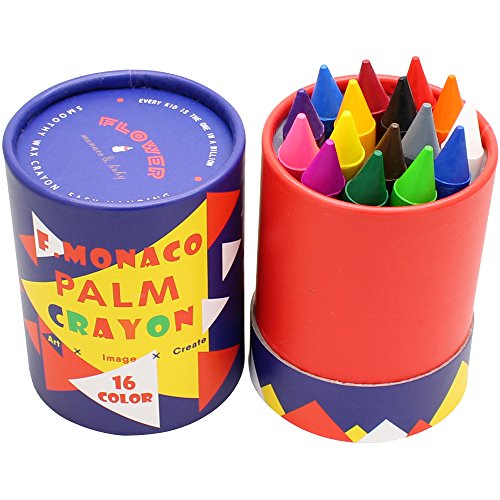
Jumbo crayons are a type of wax crayon that are larger than regular crayons. They are designed for small hands, and they are much harder to break. They are also considered safer, because broken crayons can be a choking hazard for young children. A child’s first crayon set is often jumbo crayons.
Click image for more info
Triangular Crayon
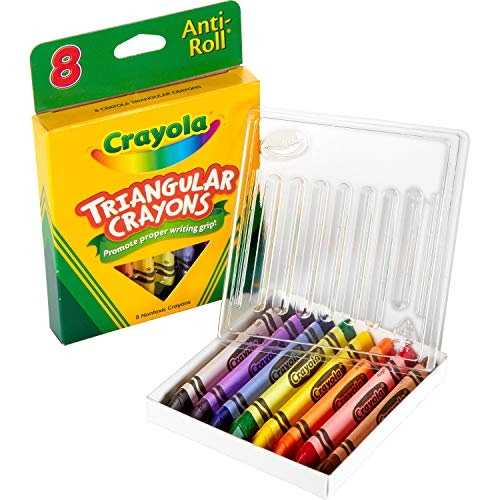
The triangular crayon is relatively new. It offers a few advantages over jumbo crayons. Its triangular shape makes it much less likely to roll off the drawing surface.
The triangular shape also encourages young children to grip the crayon properly. The tripod grip helps to develop coordination and control in kids who are beginning to draw or write.
Click image for more info
Metallic crayons
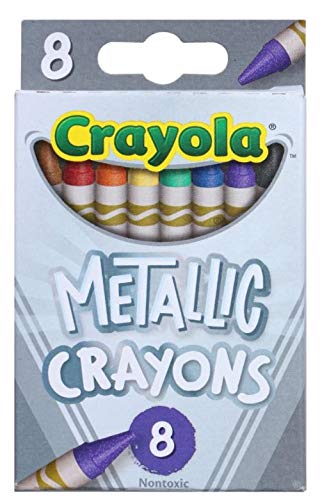
Crayola metallic crayons first appeared in 2000. Now they are available from many crayon brands, but Crayola is still the most popular. The metallic crayons offer a glittery color. They work well with black or colored paper, an area where most crayons don’t perform well.
Click image for more info
Crayons made for young kids: 3 types
In addition to regular wax crayons, there are several types of crayons for kids available today. They can make coloring, or even bath time, colorful fun.
Washable Crayons


Washable crayons are designed to wash off skin, clothing and walls, which suits kids who are tempted to color on things they shouldn’t. Regular crayons are notoriously difficult to remove from some surfaces.
Bathtub Crayons
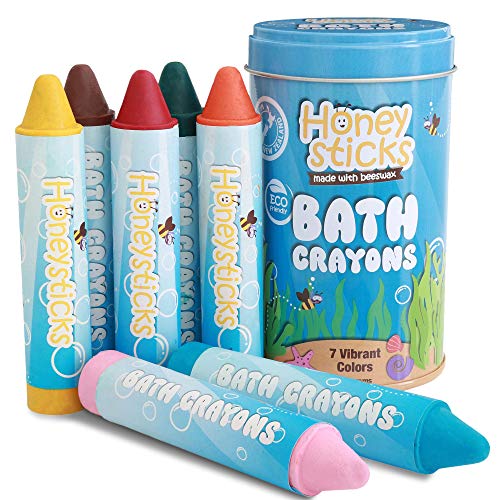
Bathtub crayons are made for coloring in the bath. Most crayons have a paper wrapper to protect the crayon.
Bathtub crayons are naked crayons, because the paper won’t stand up to water. Most of them twist or push up instead of sharpening.
Click image for more info
Twistable Crayons
Twistable crayons don’t require a crayon sharpener, and you don’t have to worry about peeling the wrapper. Instead, the crayon is inside a plastic barrel. When you need more crayon, give it a twist.
In addition to the standard color twistable crayons, you can also get special effects twistable crayons. These include metallic, neon, and multicolor rainbow crayons.

Click image for more info
Art and craft crayons: 6 types
Crayons aren’t just for coloring books. There are crayons suitable for many types of projects and styles.
Beeswax Crayons
Beeswax crayons are made from beeswax instead of the paraffin used in regular crayons. They offer better color saturation and glide across the paper more smoothly.
They are also environmentally friendly. Beeswax is a renewable resource, unlike petroleum-based paraffin. Beeswax crayons are made from vegetable dyes, instead of traditional pigment. If you are looking for the ultimate in nontoxic crayons, these all-natural crayons are the safest bet.
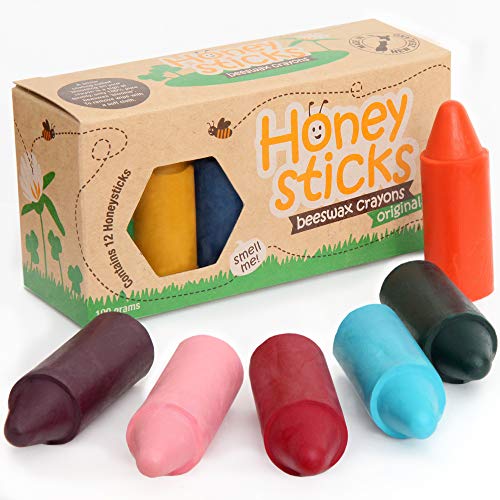
Click image for more info
Fabric crayon
A fabric crayon is used to color on fabric, as the name suggests. There are two ways to use fabric crayons. You can color the design on white paper and then transfer it to the clothing, or color directly on the fabric.
You’ll need to iron the fabric with the colored white paper on top of the fabric, or a clean sheet of white paper if you colored on the fabric itself.
Surprisingly, fabric crayons only work with synthetic fabrics like polyester. However, you can use the same process with regular crayons to color cotton items.
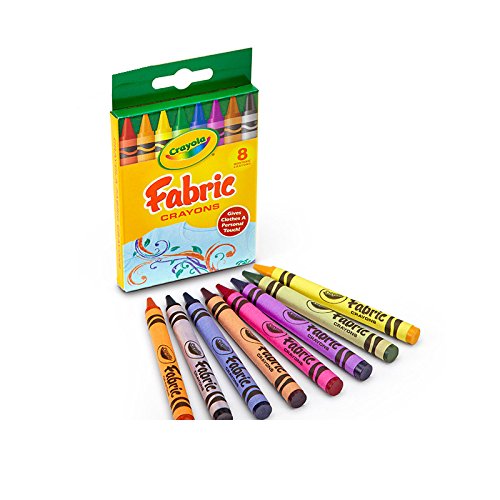
Click image for more info
Pastel Crayon


There are two types of pastel crayon. Soft pastels contain chalk and powdered pigment. They look similar to watercolor once applied. They are user-friendly and available with many different color options. You’ll need to apply a fixative when you’ve completed your creation.
Working with oil pastel offers some of the same benefits as oil paints. You can blend different colors together, or layer them on top of each other.
Watercolor Crayons
Watercolor crayons are a water soluble crayon. This allows you to create soft colors and to blend colors. Most artists create a picture or watercolor crayon drawing, then use a wet brush to give it a soft watercolor effect.
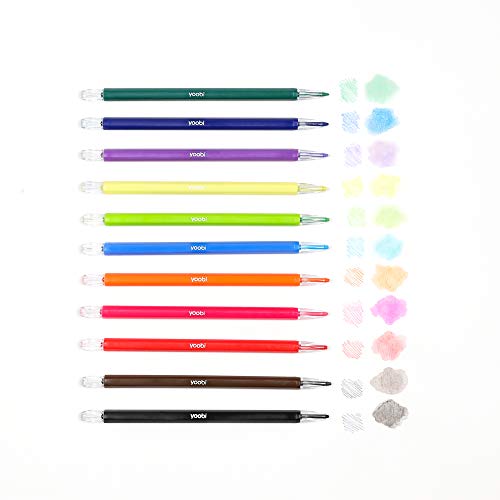
Click image for more info
Lumber Crayon
A lumber crayon is used on a wide variety of surfaces, including lumber. It’s used in construction and other industries to mark surfaces. A lumber crayon can draw on wood, concrete, and ceramic. They don’t melt, and can write on wet and dry surfaces.
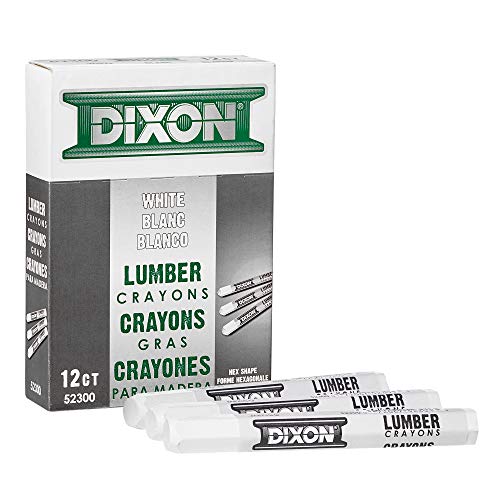
Click image for more info
Conte Crayon
A conte crayon resembles pastels. They are made from graphite or charcoal combined with wax or clay and natural pigments. They produce a finer line than pastels, which makes them perfect for drawing portraits. They are also used to draw a sketch that is then colored in with pastels.

Click image for more info
Types of Crayon FAQs
How many types of crayons are there?
This guide covers 13 types in 3 groups: 4 wax crayons (Crayola, jumbo, triangular and metallic), 3 crayons made for young kids (washable, bathtub and twistable) and 6 art and craft crayons (beeswax, fabric, pastel, watercolor, lumber and Conte).
What can you use to blend crayons?
You can use baby oil to blend crayons or colored pencils. Color the area using a dark color. Dip a q tip in baby oil, and then rub it over the area to blend.
What are the different shapes of crayon tip?
Conical tips are the common shape for kids crayons. They create thick lines of color. Pointed crayons are used for precise lines and lumber crayons. They need frequent sharpening to keep the tip sharp. Pastel crayons are usually blunt, but oil pastels can be sharpened to a fine tip.
What crayons do artists use?
Artists use professional crayons. These crayons are softer than regular crayons and have a higher pigment concentration. Most are also water-soluble and blendable. Professional crayons are also known as artist crayons and wax pastels.
Are Crayola crayons better?
It depends. Better than other types of regular crayons? Yes. Crayola crayons are smoother and have a higher pigment concentration than most brands of regular crayons. However, if you really want quality, artist crayons are in a different league than Crayola.
What is the most popular crayon color?
Blue is the most popular crayon color among kids and adults. Rounding out the top 10 favorite colors are six other shades of blue.
What is the rarest crayon color?
C Rex is the rarest color, with only one being produced. Crayola partnered with Kraft to produce a macaroni-colored crayon. One was hidden in a box of Kraft Mac and Cheese. The lucky recipient never came forward, so it’s unclear if the crayon is still in existence.