
A music puzzle is a simple tool that makes learning music easy. It changes hard ideas into a fun game. It is not just about listening to a song. It is about using your brain to solve a problem. whether it is a paper crossword puzzle or an audio challenge where you guess a sound, these games stop boredom.
In this guide, we will keep things simple. We will look at why these puzzles work. We will look at different instruments and printable puzzles. We will also talk about how they help memory and focus. If you want a real way to teach music without the tears, a music puzzle is your best choice.
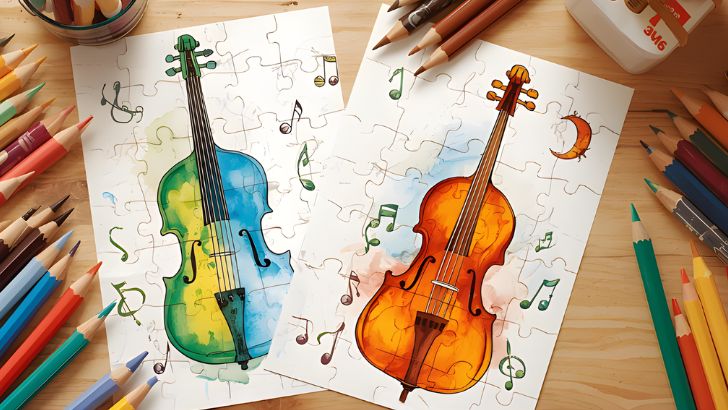
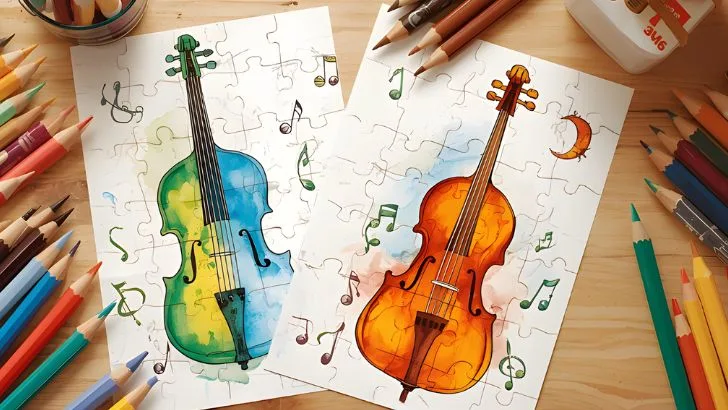
1. Explore Some Musical Instruments
Before a child can solve a big music puzzle, they need to know the pieces. In music, these pieces are the instruments. We call this instrument identification. I learned that showing instruments one by one helps children know them later in musical riddles or games.

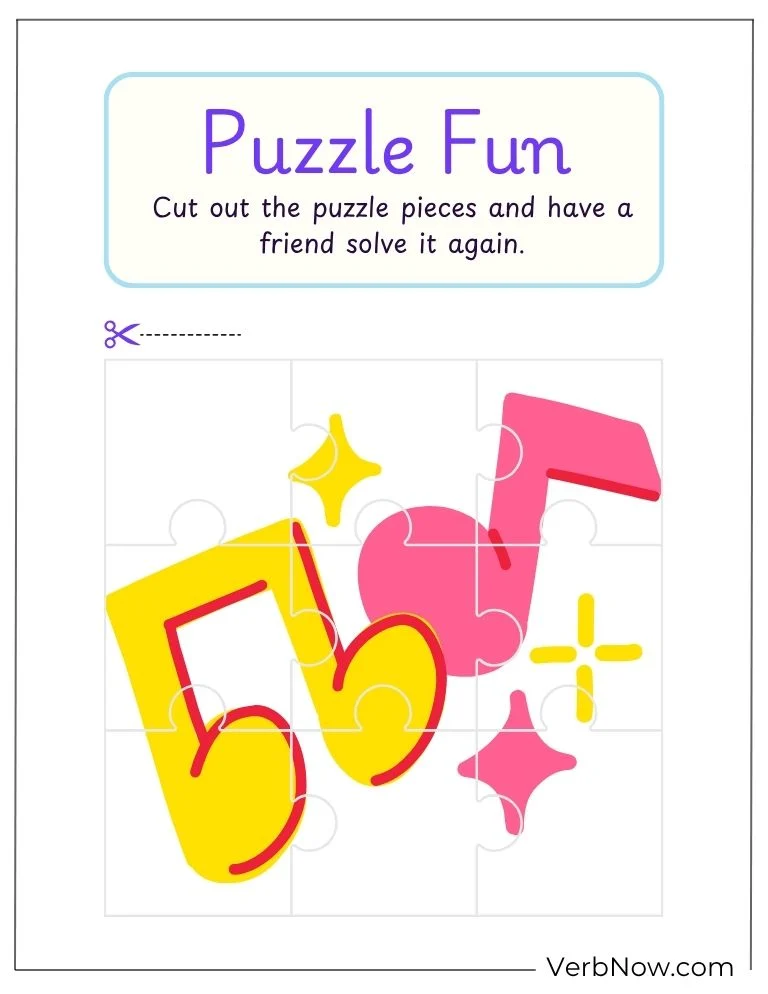
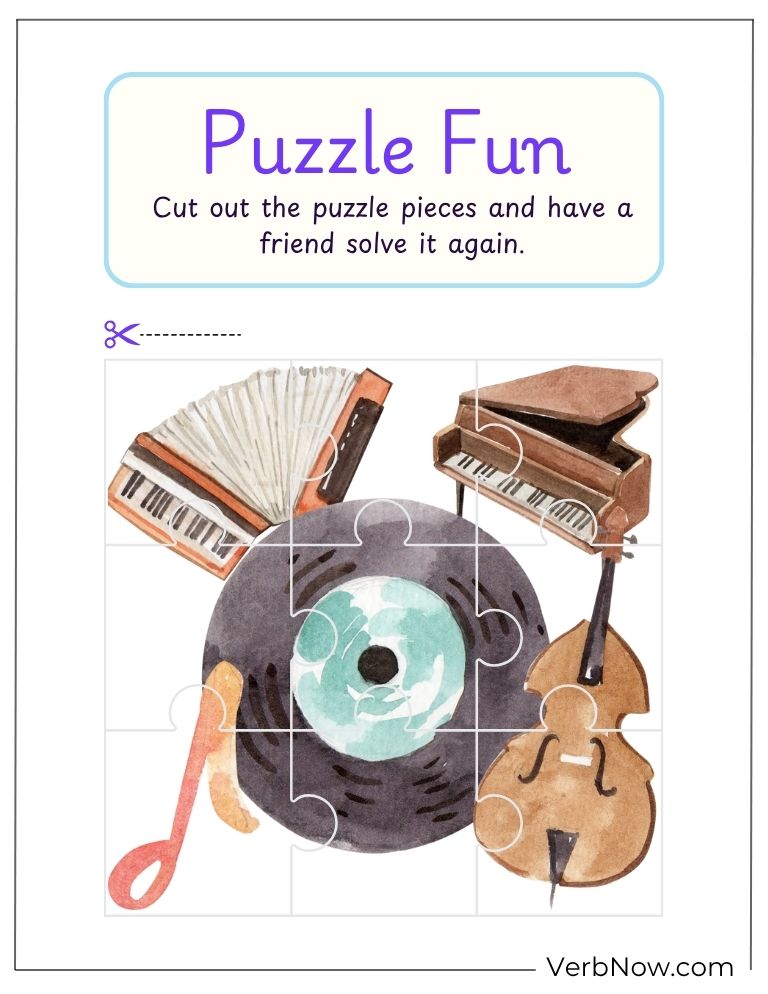
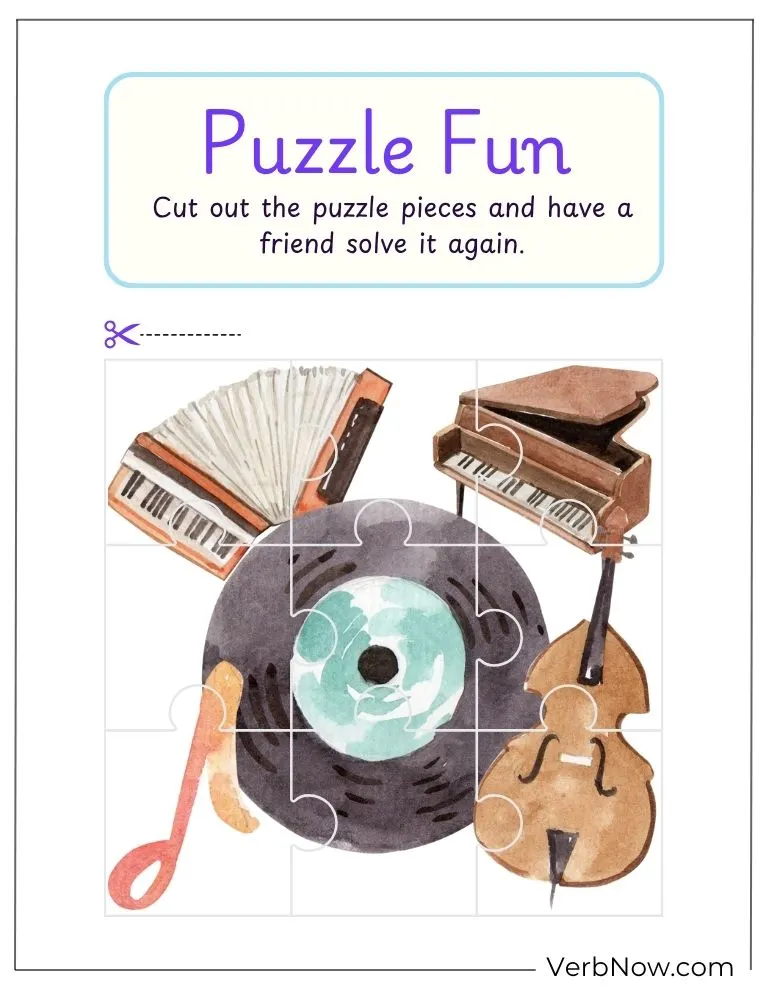

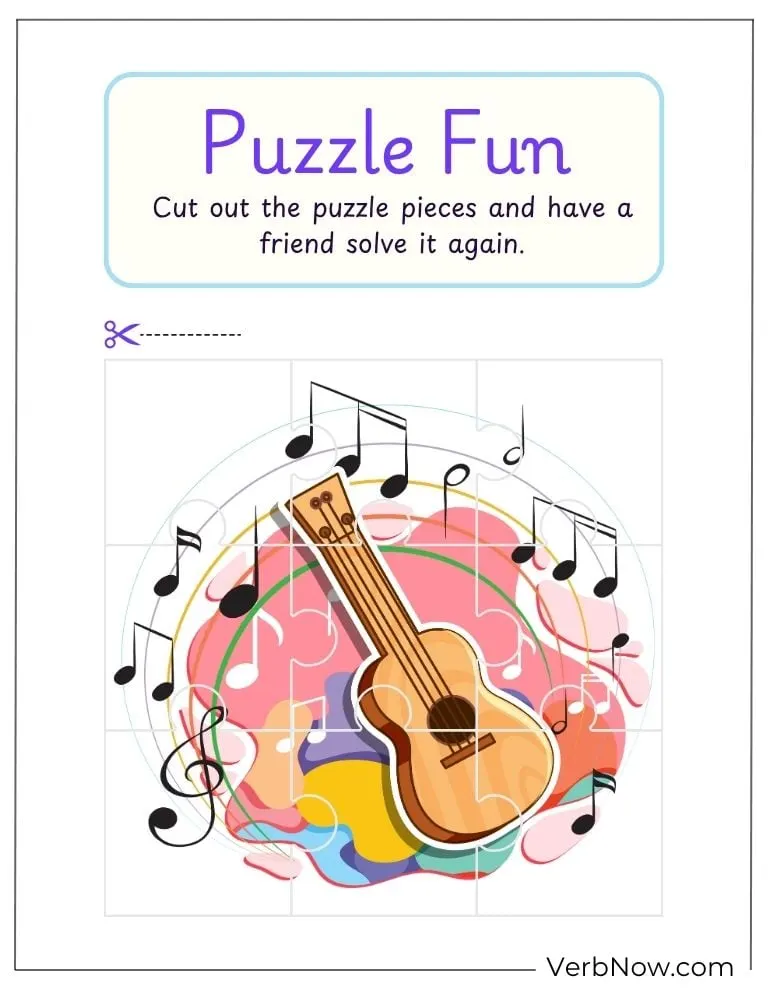

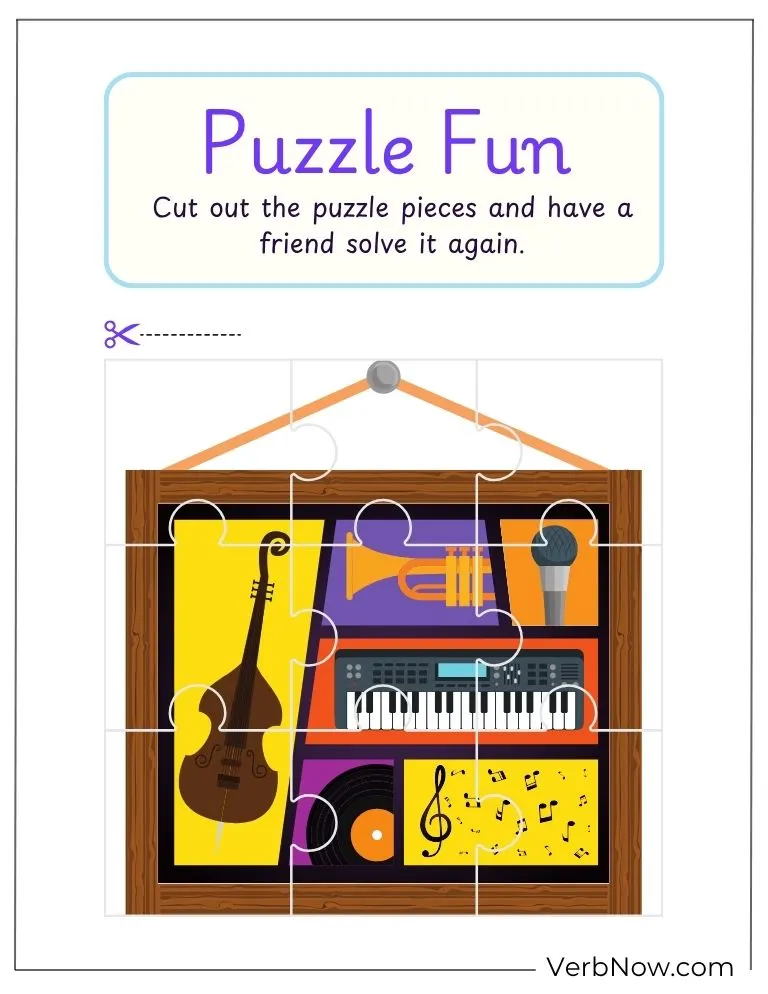

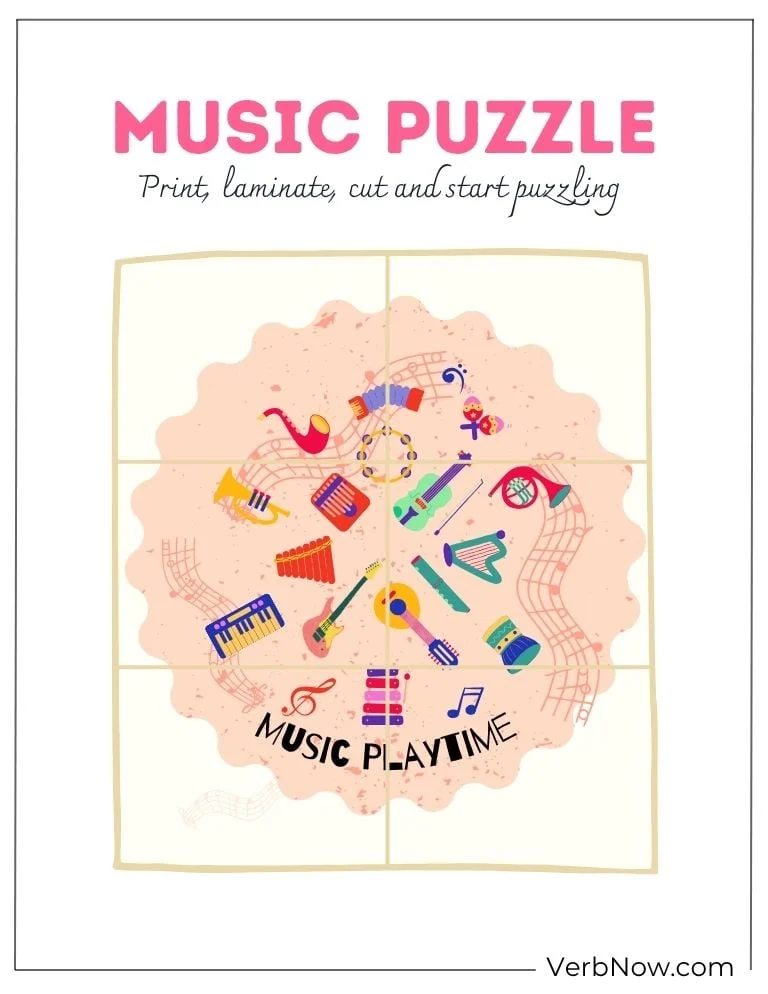



More Collection: Spring Word Puzzles | Fall Puzzles | Thanksgiving Puzzles | Animal Puzzles | Christmas Puzzles
Piano
The piano is often the first instrument we learn. When teaching kids about the piano for a music quiz, look at the black and white keys. It hits strings to make sound, which is a fun fact for music trivia. Knowing the sound of a piano is key for any sound guessing game.
Guitar
Next is the guitar, you hear this in rock, pop, and country music. In a music puzzle, clues about the guitar often talk about strings. Most guitars have six strings. It is great for tune matching because the sound of strumming is easy to hear.
Violin
The violin teaches children about the orchestra. It is smaller than a guitar, you play it with a bow. In a matching puzzle about music, you might match the violin to the “string family.” It makes high sounds.
This is perfect for an audio brain teaser where kids pick out the melody from other noises.
Saxophone
To learn about jazz, we look at the saxophone. It is a shiny brass instrument but it uses a piece of wood called a reed.
This is a tricky fact often found in a crossword puzzle of music. Its sound is loud and sounds like a voice. Knowing a saxophone helps children with harder song decoding.
Drum
As you know, drums are the heartbeat of music. About puzzle music for kids, drums are the easiest to find. They teach rhythm and beat. A puzzle might ask a child to match a drum to drumsticks; this is how we learn about timing.
Harmonica
The harmonica is small and fits in a pocket. You hear it in folk or blues music, you play it with your breath. It makes a special sound that is easy to spot in a sound guessing game. It shows that small things can make big sounds.
Xylophone
Finally, the xylophone, this is often a child’s first instrument. It has wooden bars that you hit with sticks. In a word search music puzzle, words like “mallet” or “wood” often go with the xylophone. It shows high and low notes very clearly.
2. Printable Music Puzzles
Tablet apps are fine, but I found that kids focus better when they use paper puzzles. A child really works when he or she sits down with a pencil.
Puzzle music sheets that are printable are inexpensive and readily available. They are exceptional in the study of new words. The following are the most effective types.
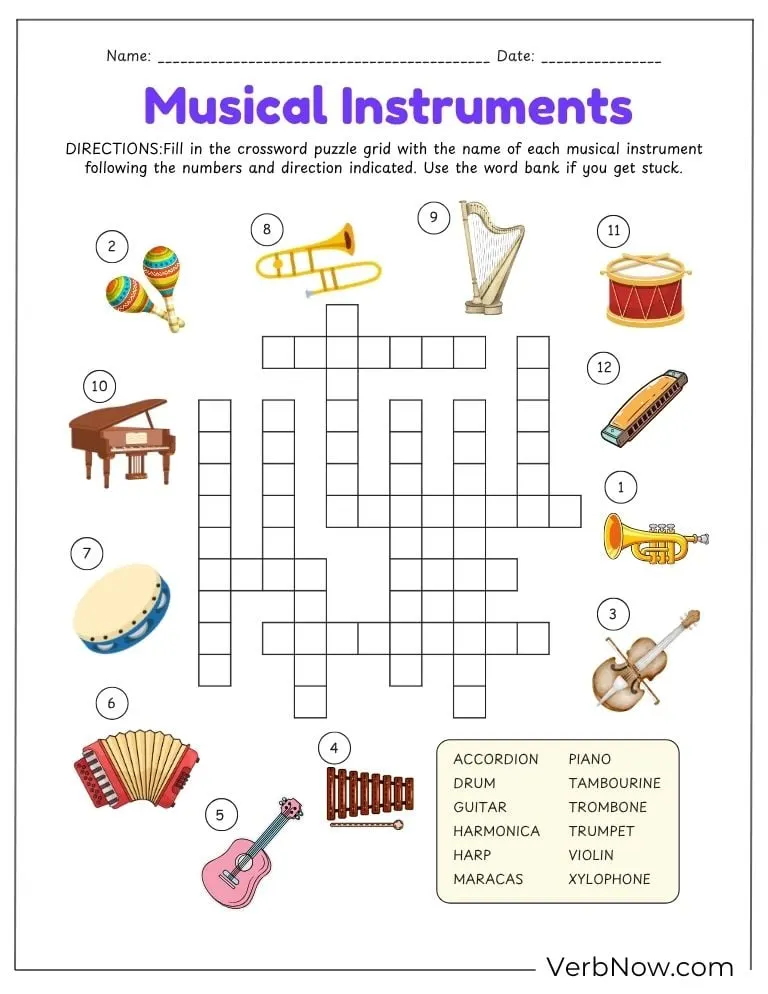
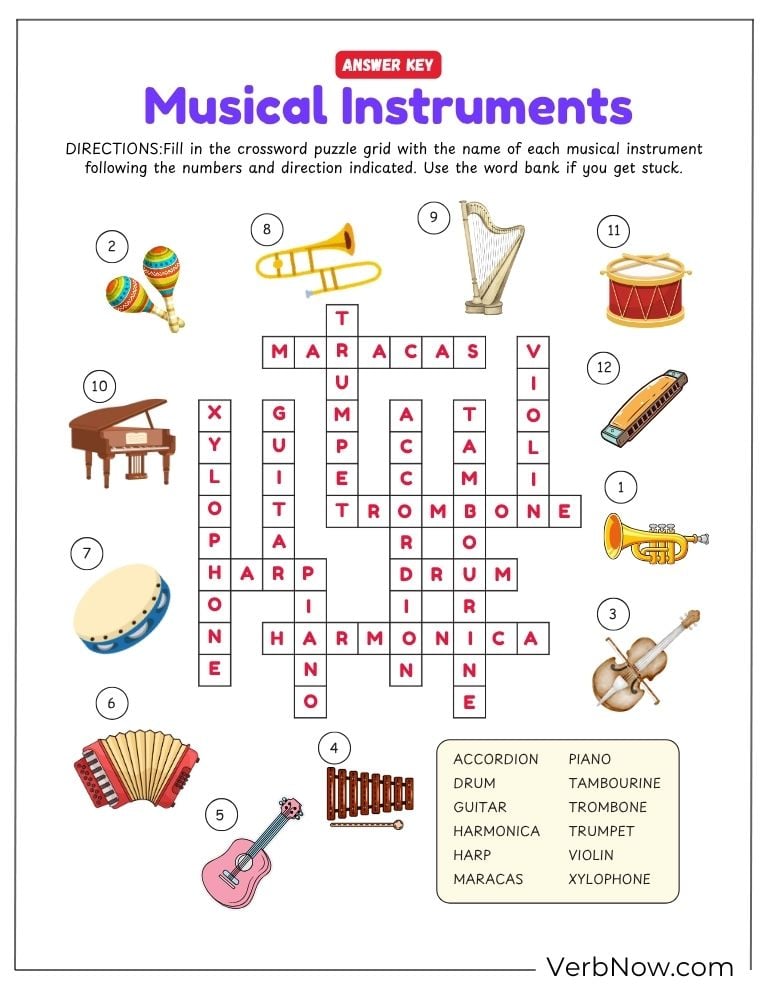
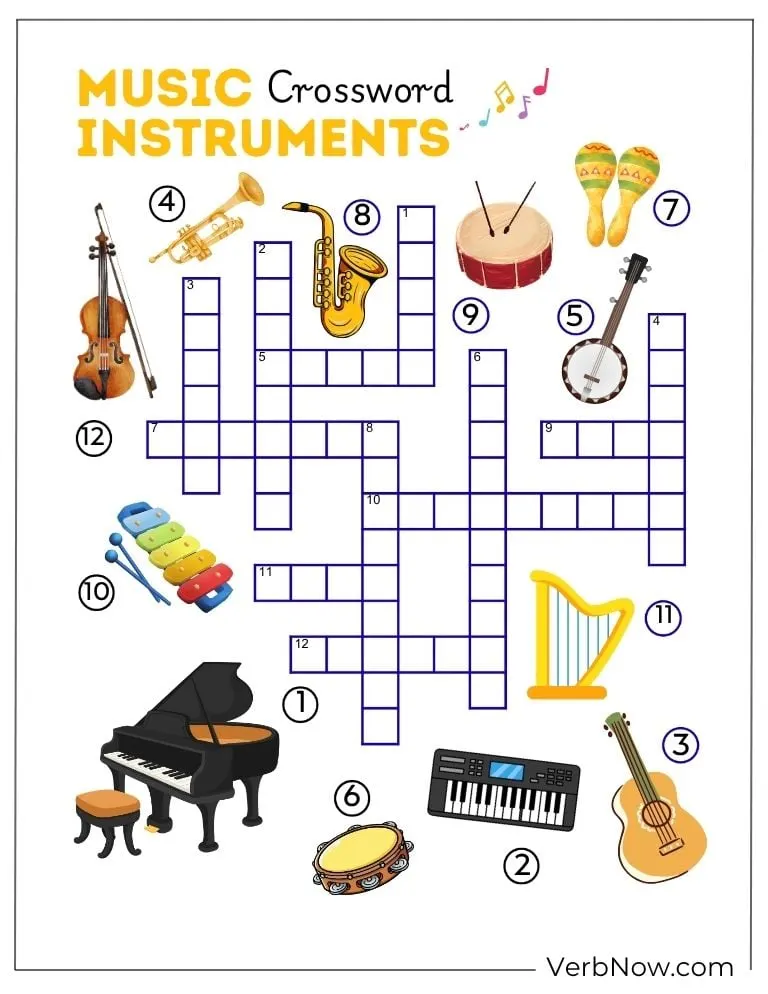
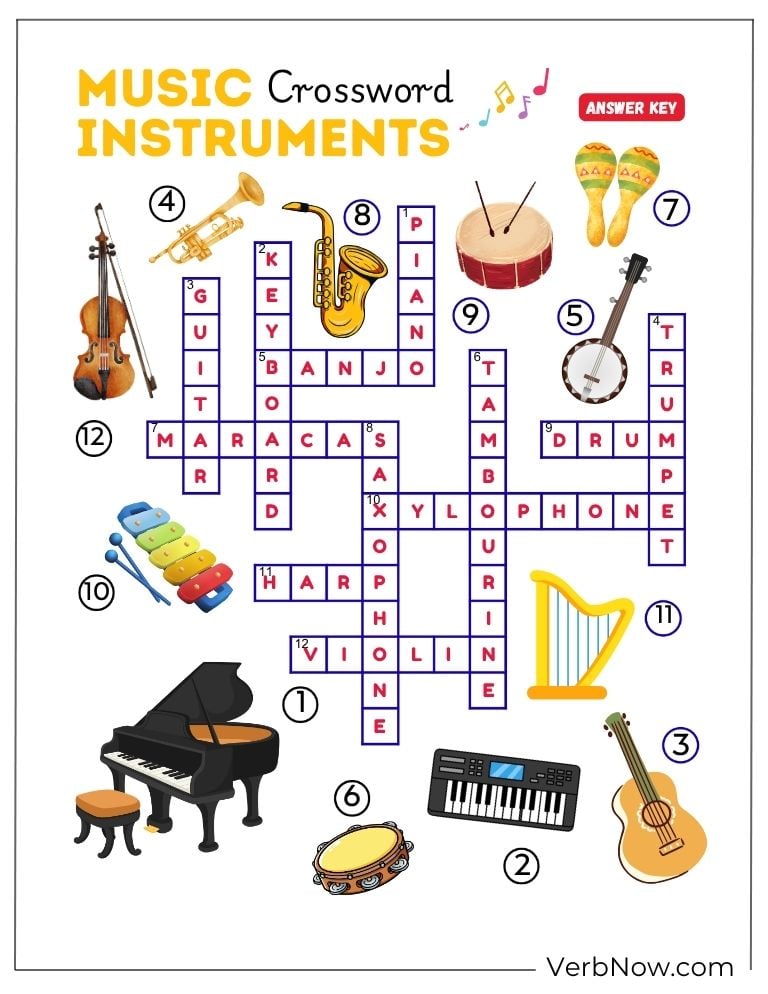
Crossword Puzzle
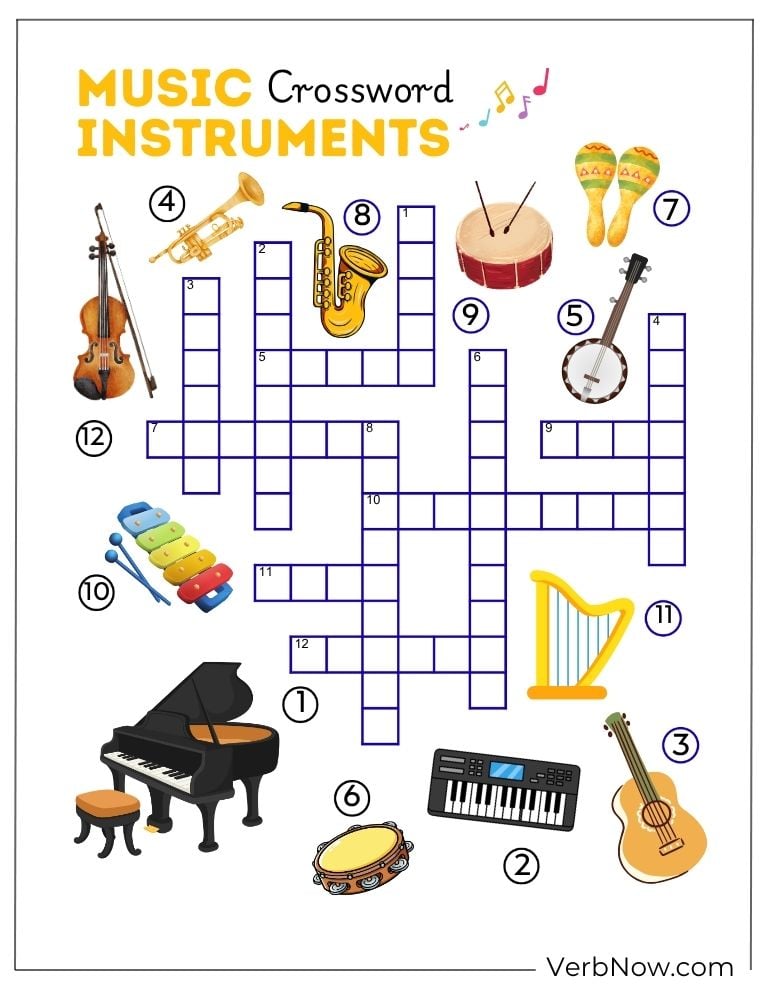
A crossword music puzzle can provide an older child with an excellent tool for vocabulary building. The puzzles provide hints regarding words in music, popular singers or songs. As an example, a hint may tell that, a sign of silence in music. The answer would be “Rest.”
I would consider these to be a little too much like school work. I understood though that they remind children of the correct words. It transforms music trivia into a reading game. You may get crosswords on identifying instruments or history of music.
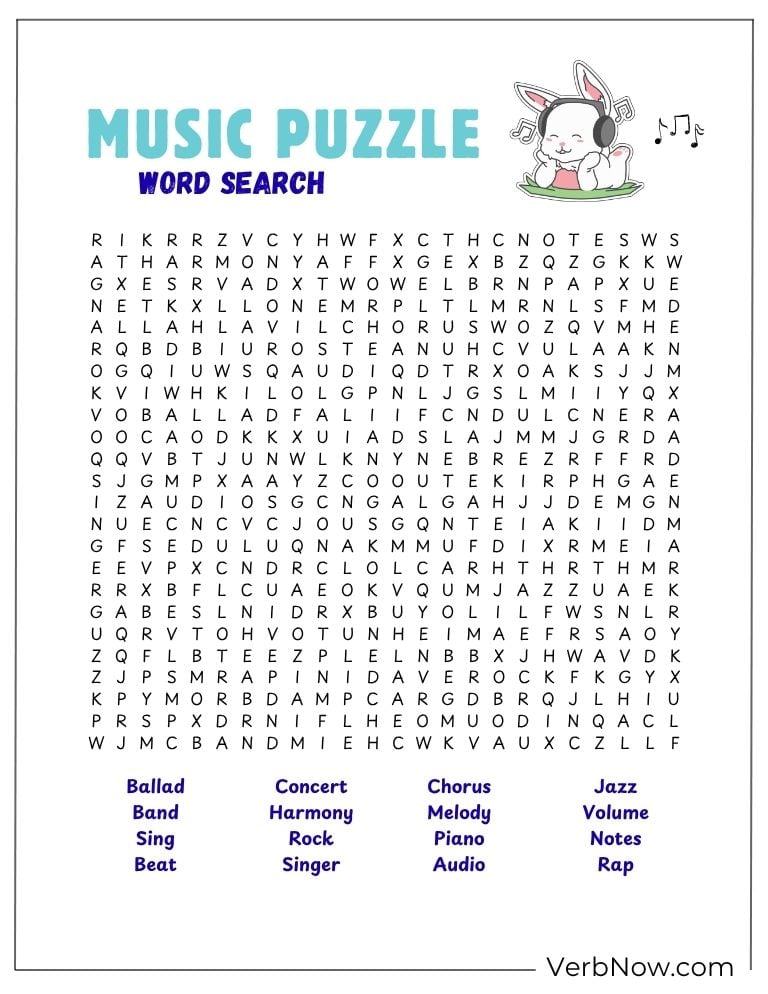
Word Search Puzzle
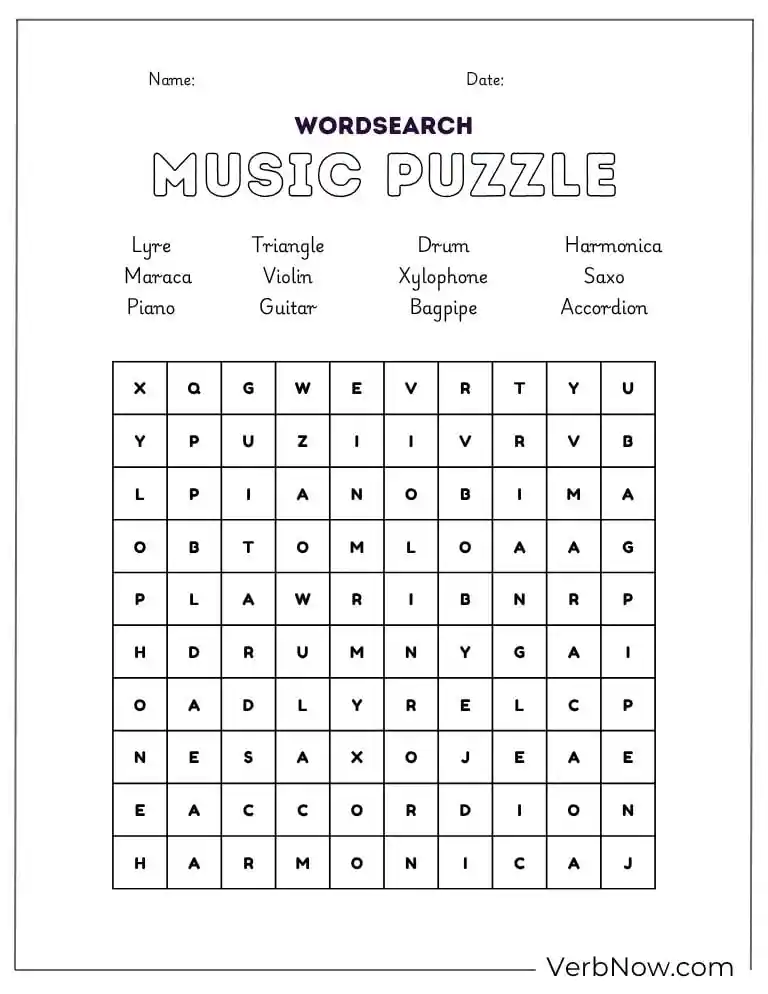
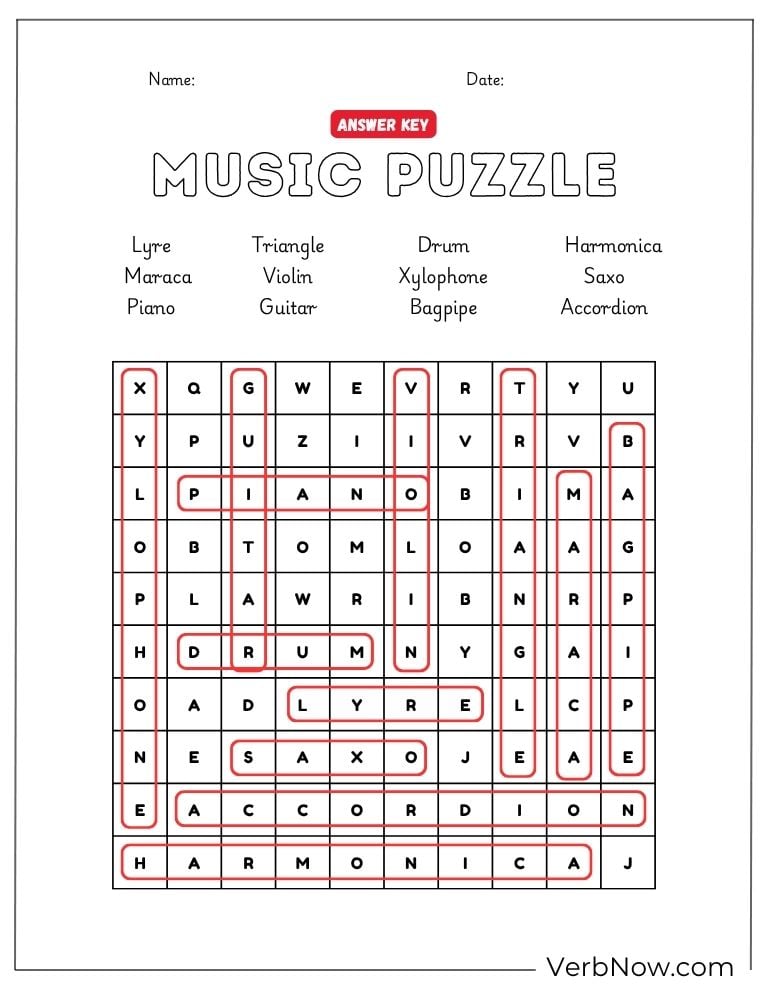
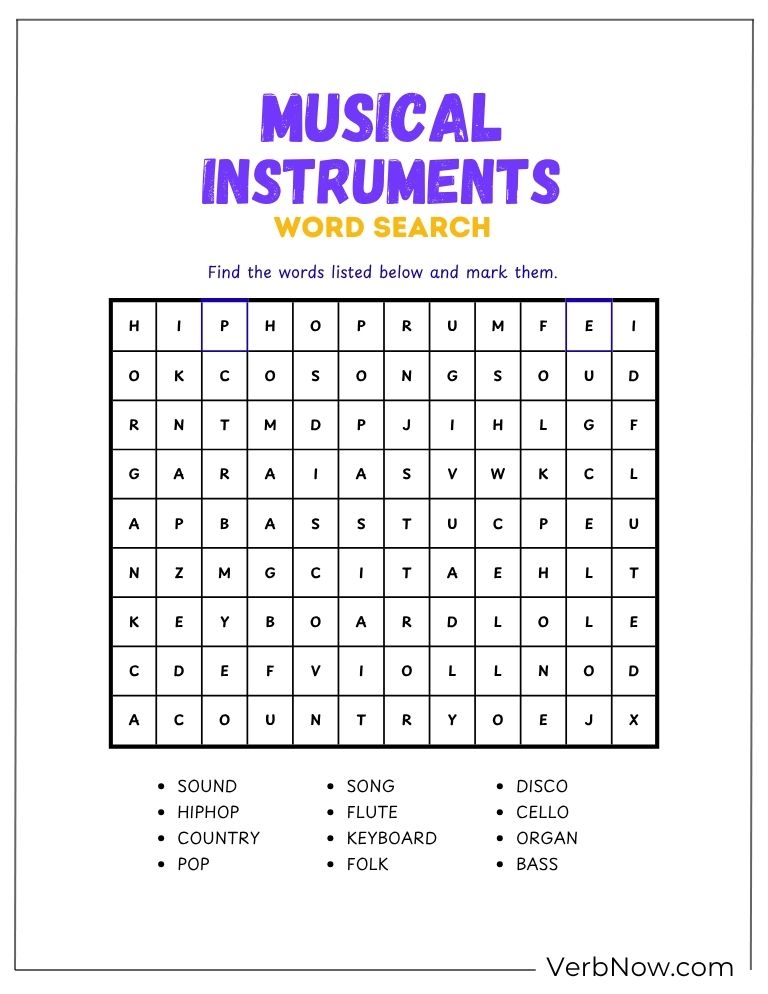
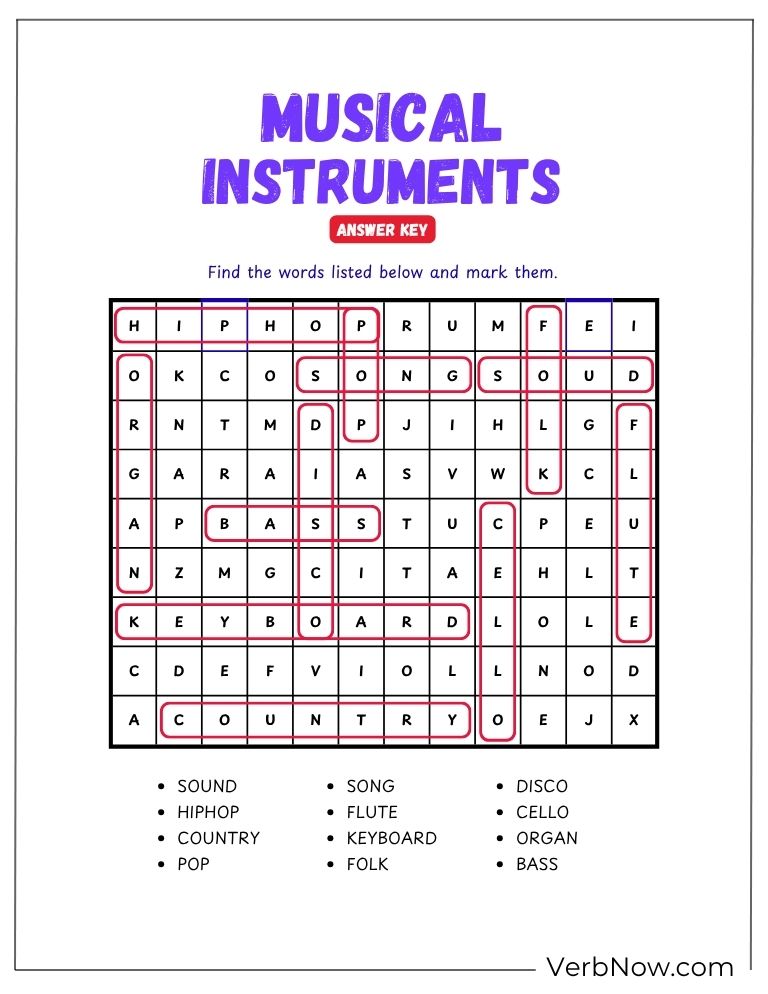
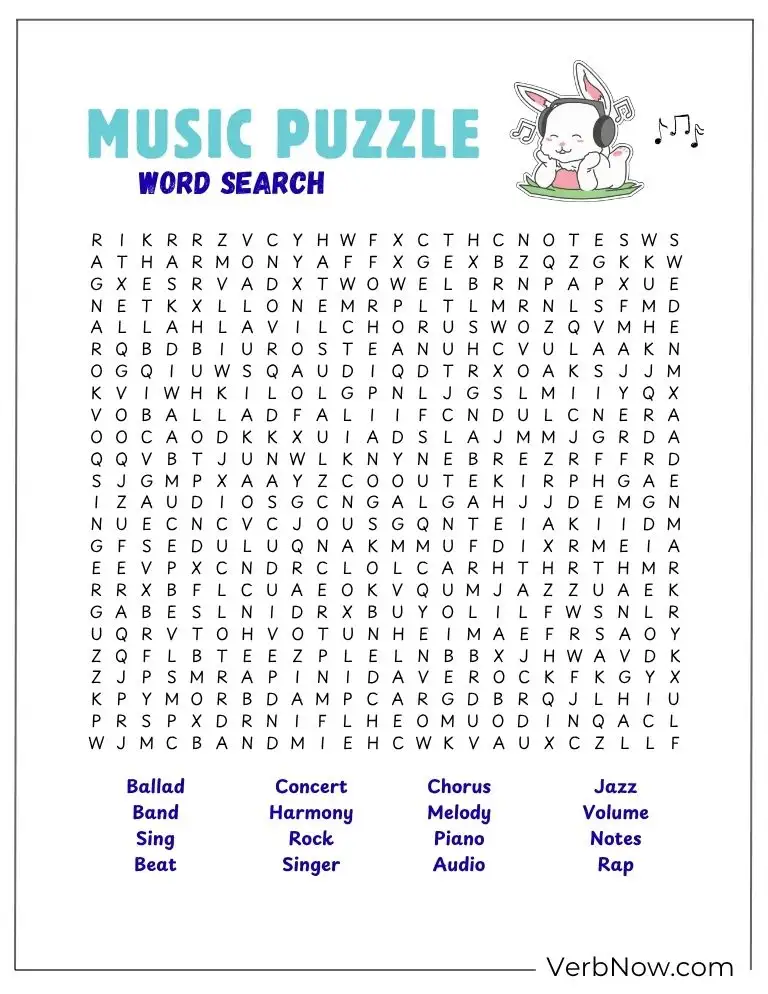
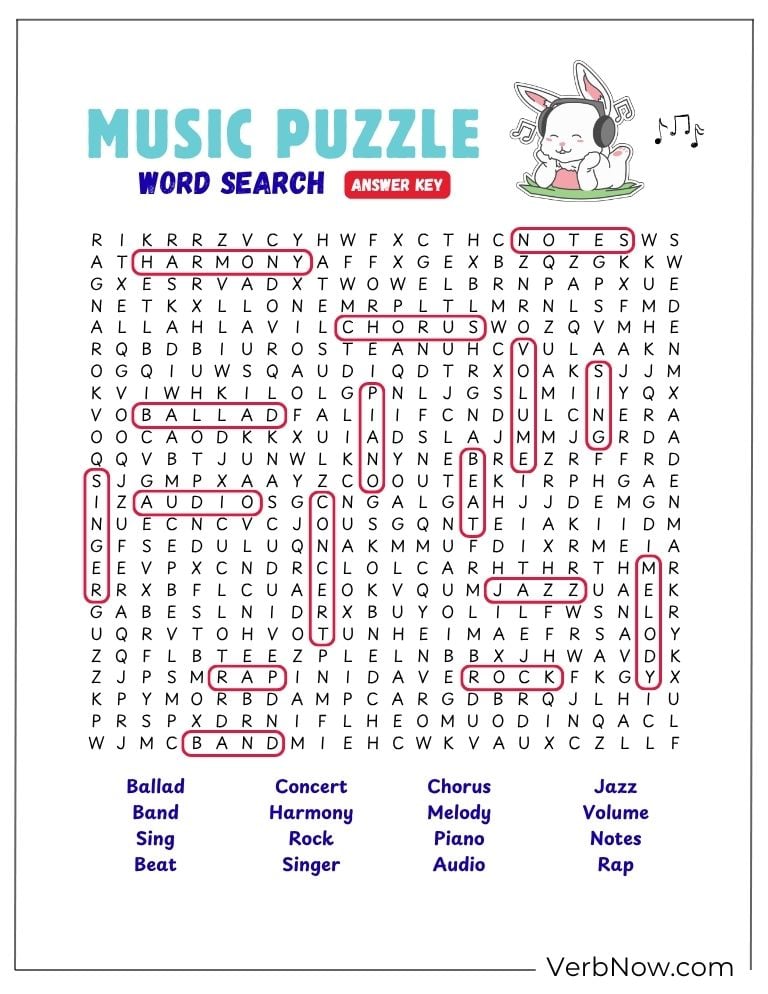
Word search music is the most appropriate choice when dealing with younger children. Its goal is to locate concealed words of music such as notes, jazz, or flute among letters in a box.
They are easy and entertaining; they make kids know how to spell music words. I frequently introduce a lesson with them and it fires their eyes. It puts them to thinking about music without a frightening examination. It is a peaceful method of learning words to a challenging music puzzle in future.
Matching Puzzle
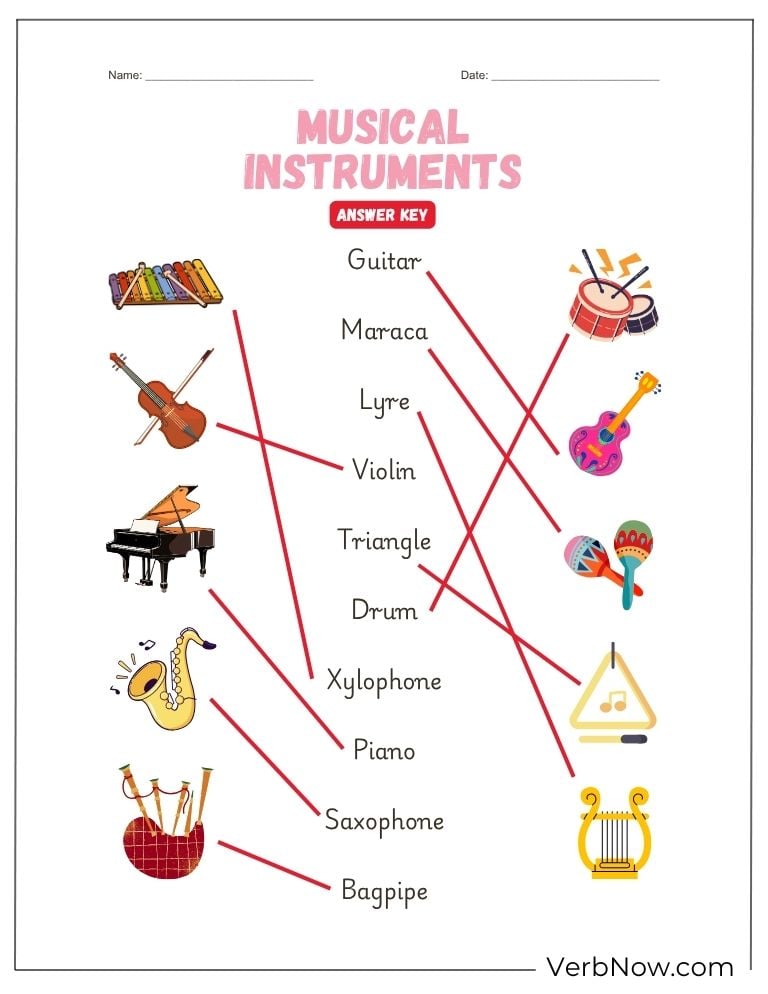
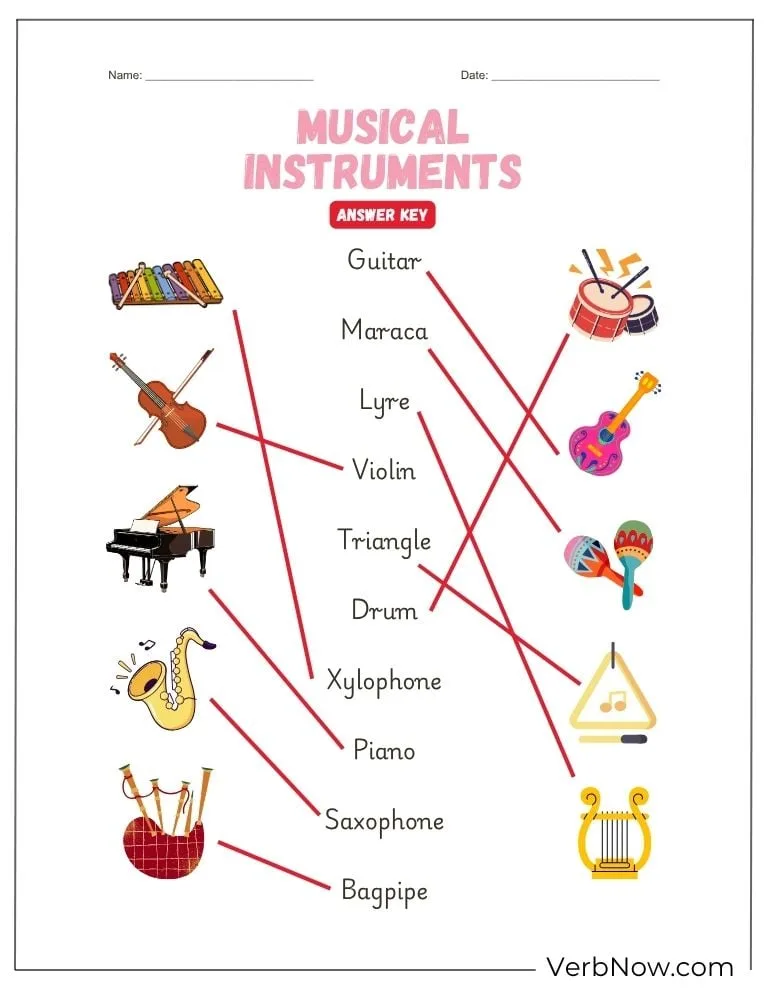
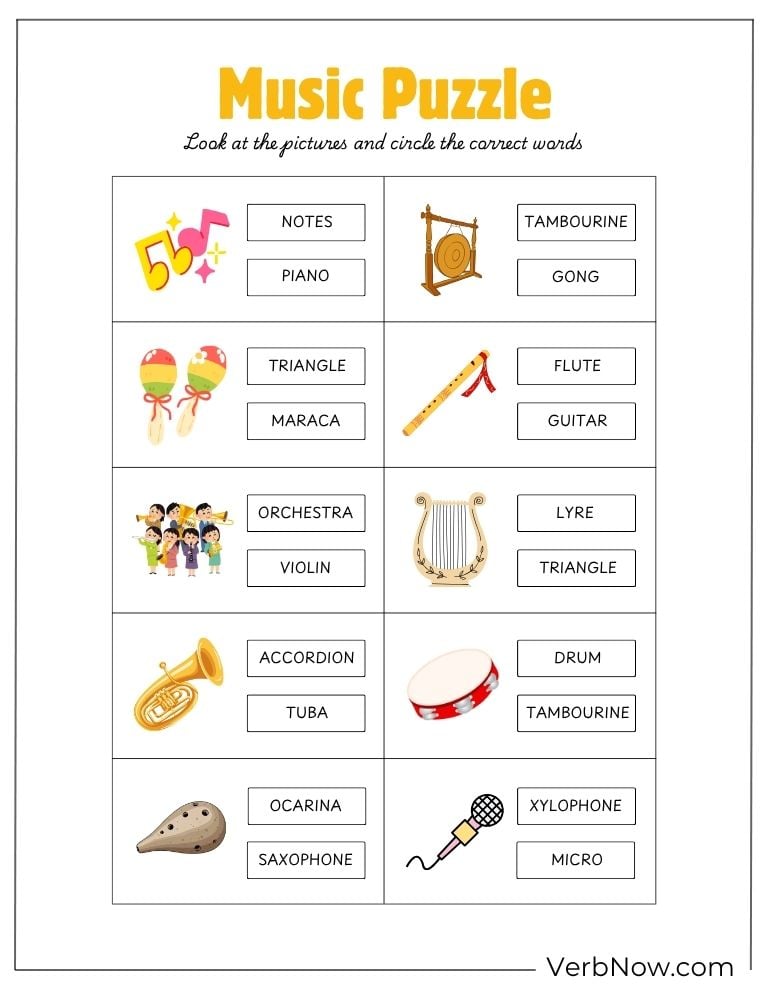
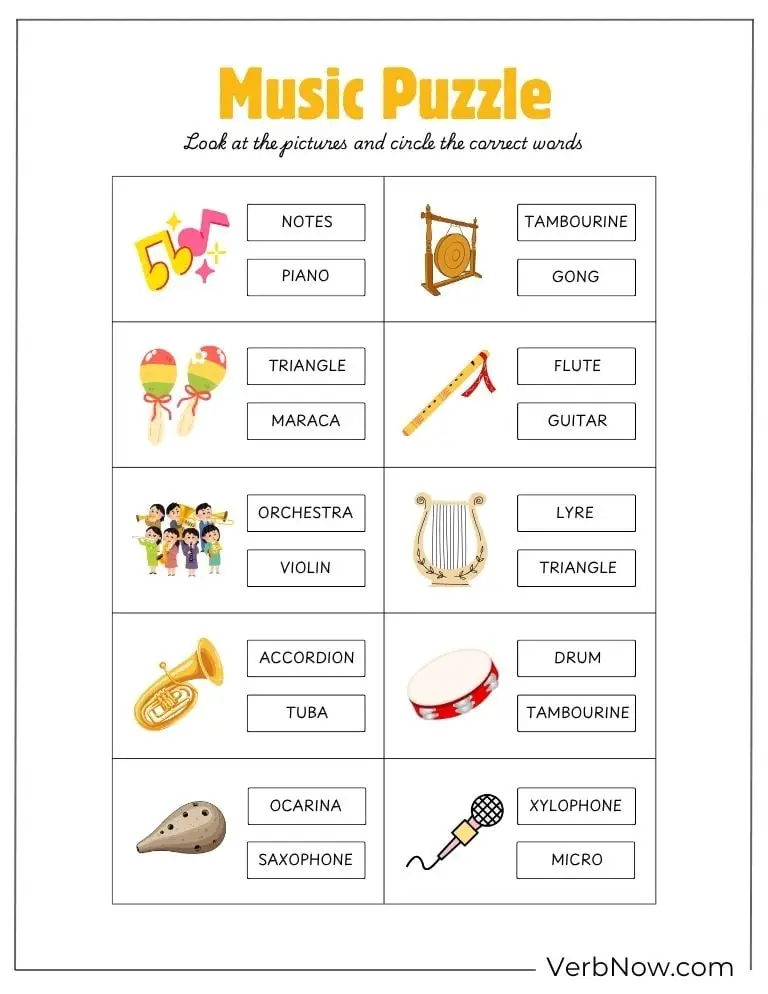
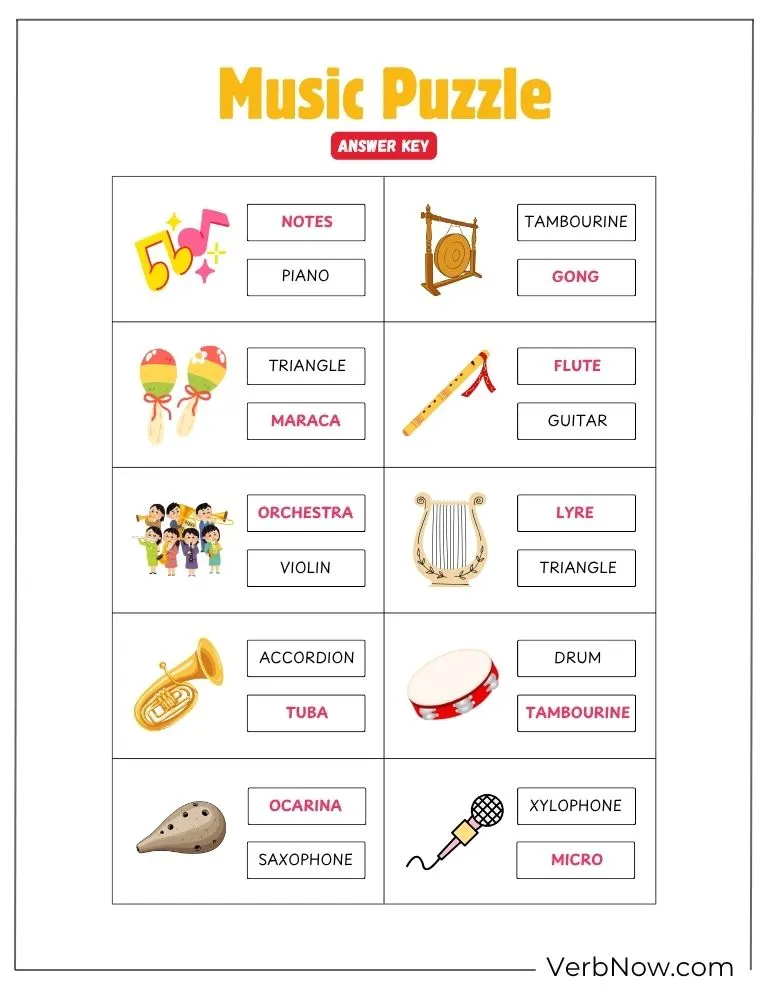
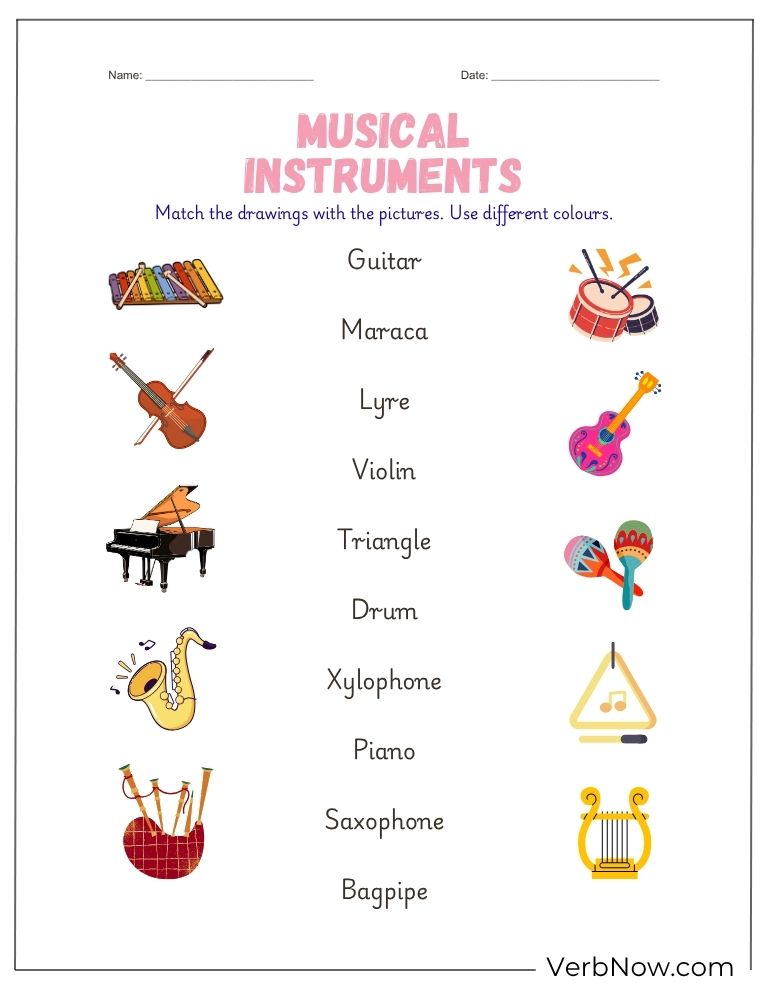
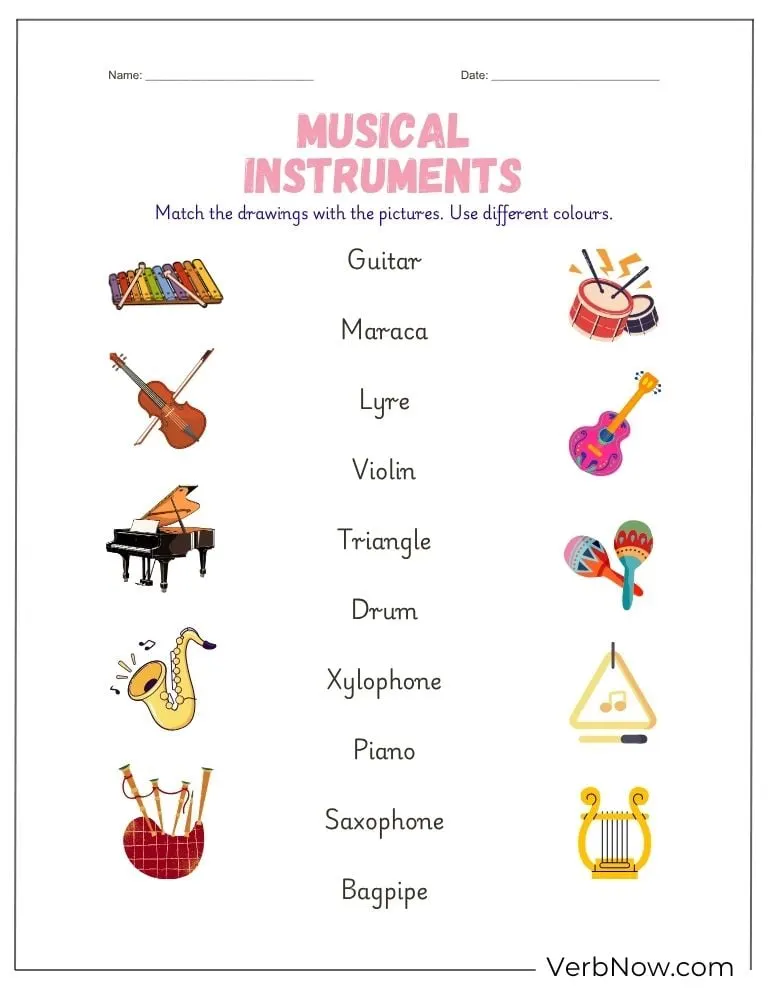
The equivalent music game is ideal with novices. You place pictures of instruments on one side of the page. Their names are there on the other side. The task is to make a line between them.
This aids the brain to relate the visual with the word. It is a paper form of an instrument identification game. I have applied them when teaching notes and it is easy. When lines do not match, the child is aware that he or she has to repeat.
3. Music Puzzle for Kids
Why is puzzle music perfect for young kids? Because kids love mysteries, a music game for kids takes the pressure off. They don’t have to perform, they just explore. I learned that the best puzzles for children are short and colorful.
Why They Work
Children lose interest fast and a long talk about composers is boring. But a puzzle music that asks them to find a hidden symbol keeps them happy. It turns learning into a game. Musical riddles, like “I have keys but no locks, who am I?” (a piano), make them curious.
Best Types for Children
The best types for kids use music pictures. Matching music puzzle sheets are the best. Word search puzzles of music grids are also good.
Another great choice is song decoding. This is where pictures stand for words in a song title. For example, a picture of a star plus a picture of a war equals the “Star Wars” theme.
Tips for Parents and Teachers
Don’t make it a test, I cannot say this enough. If you treat a puzzle music like a test, the fun stops.
If they get stuck on a music quiz question, help them find the answer. The goal is to learn, not to be perfect. Also, you can use sound, for example play the sound of a violin while they do a violin puzzle. This helps them learn musical instruments faster.
4. Educational Benefits of Music Puzzles
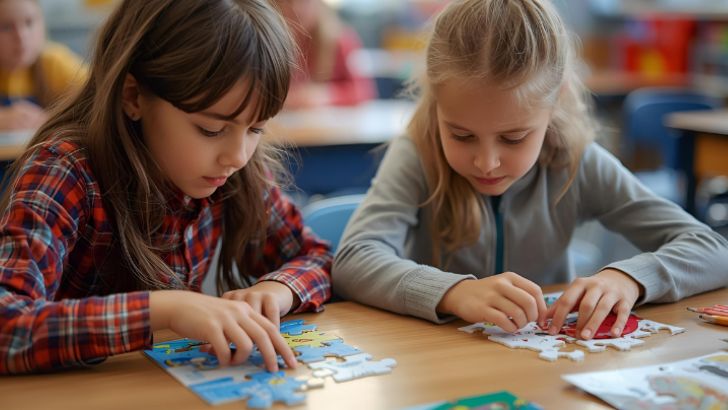
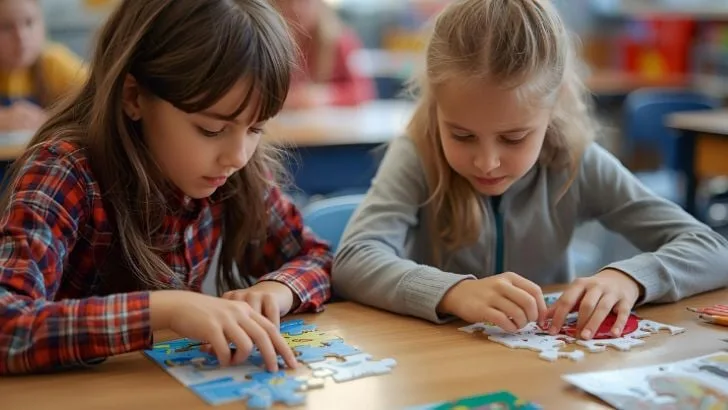
You might ask, “Is this just a way to pass time?” I like things that are useful, I would not tell you to use music games if it didn’t help. These games do more than keep kids busy; they build brain skills for school.
Enhances Memory and Concentration
Solving melody puzzles or remembering music trivia uses memory. A child has to remember that a quarter note gets one beat. They have to remember the sound of a trumpet to solve an audio brain teaser.
This makes their memory stronger and finding words in a word search puzzle of music builds focus.
Encourages Creativity
Song decoding and musical riddles need new ways of thinking. The answer isn’t always easy so kids have to think outside the box. It shows them that music is more than dots on a page. It is a language of ideas and helps creativity.
Strengthens Problem-Solving Abilities
Every music puzzle is a problem to solve. Whether it is putting words into a crossword or playing a tune matching game, the child uses logic. They learn to look for clues, they learn to find the right answer. This logic helps with math and science too.
Conclusion
In the end, a music puzzle is a very useful tool. They are fun and they teach a lot. They take the fear out of learning music. They replace it with the joy of finding answers.
From the simple matching puzzle for little kids to the crossword puzzle for teens, there is something for everyone. Don’t forget to print out a few puzzles at VerbNow. Watch the children in your life enjoy music in a new way because it is a small step that brings big results.